
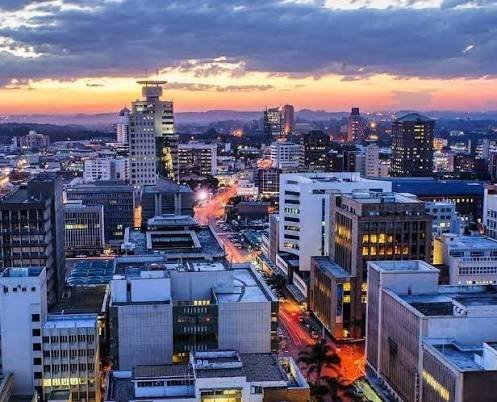
Zimbabwe is a beautiful country in Africa famous for its unique geography, rich history, lively culture, Victoria Falls, National parks, diverse wildlife and variety of birds which can be seen throughout the year in different seasons.
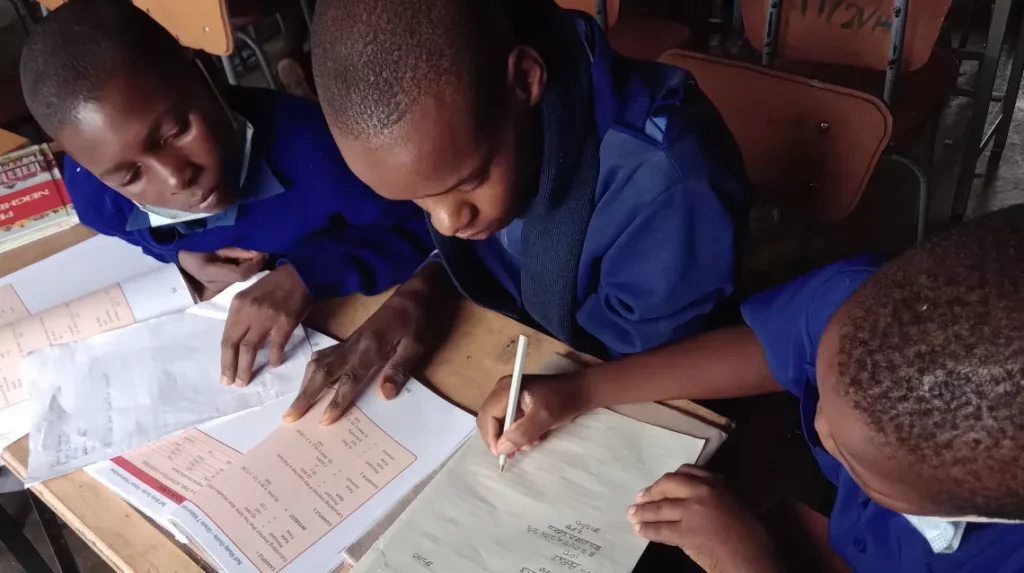
The country has a population of around 17 million, having 16 official languages and Harare is the Capital City. Zimbabwe has one of the highest literacy rates in the African continent, with around 90% of adults are able to read and write.
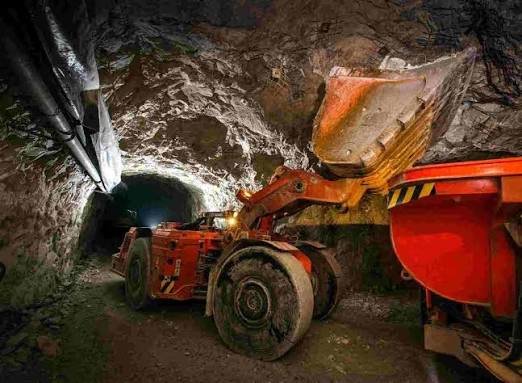
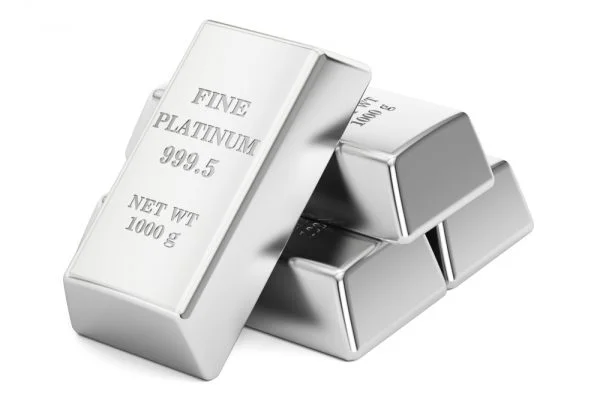
Zimbabwe is famous for producing minerals and holds deposits of over 60 different minerals including platinum, lithium, gold and diamonds. Zimbabwe is listed among the top three countries in the world for producing the highest number of platinum along with South Africa and Russia.
Apart from minerals, Zimbabwe is also good in agriculture. It is considered as a major global producer and exporter of tobacco. Locally, tobacco is known as “Golden Leaf” for generating a lot of revenue. Along with tobacco, maize, cotton and sugar cane are other major other crops found in Zimbabwe.
As a tourist, you will find the Zimbabweans welcoming, friendly and cooperative people. And the biggest attraction for you is none other than the diverse and rich wildlife and bird species found in Zimbabwe. Let’s explore a few of them by exploring the famous National Parks in Zimbabwe.
HWANGE NATIONAL PARK
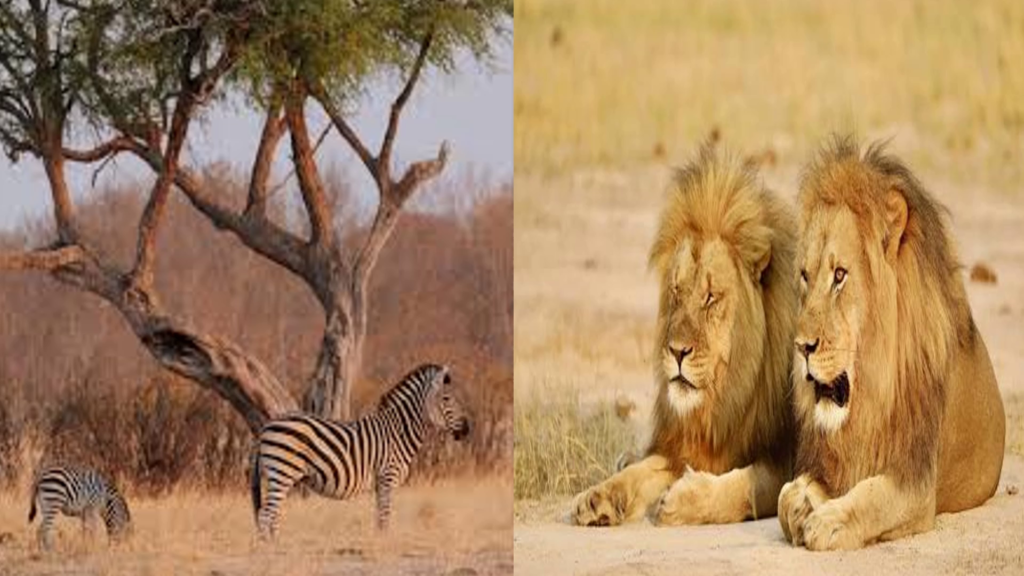
In Hwange National Park, we find a wide range of animals like elephants, lions, leopards, buffalos, zebras and a variety of antelope species.
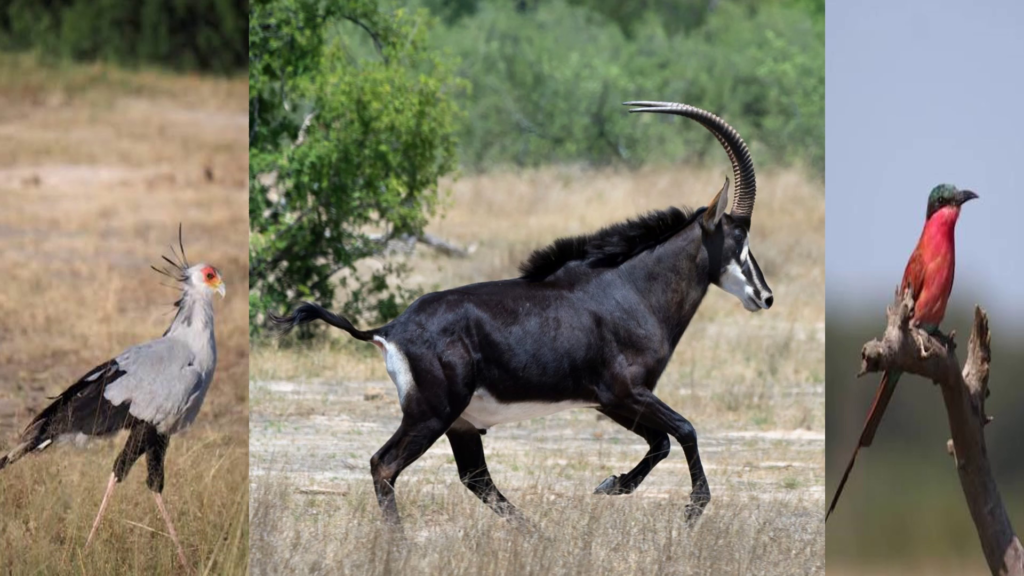
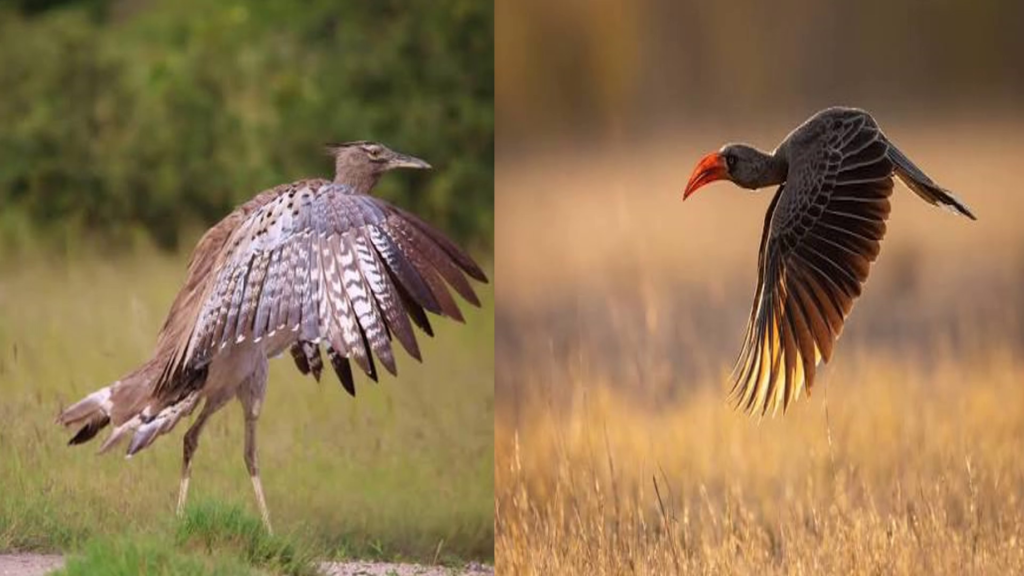
When we have a look at the bird species found here are Martial Eagle, African Fish-Eagle, Kori Bustard, Secretary Bird, Southern Ground-Hornbill, Lilac-breasted Roller, Purple Roller, Racket-tailed Roller, and the vibrant Southern Carmine Bee-eater and the Common Ostrich.
MANA POOLS NATIONAL PARK
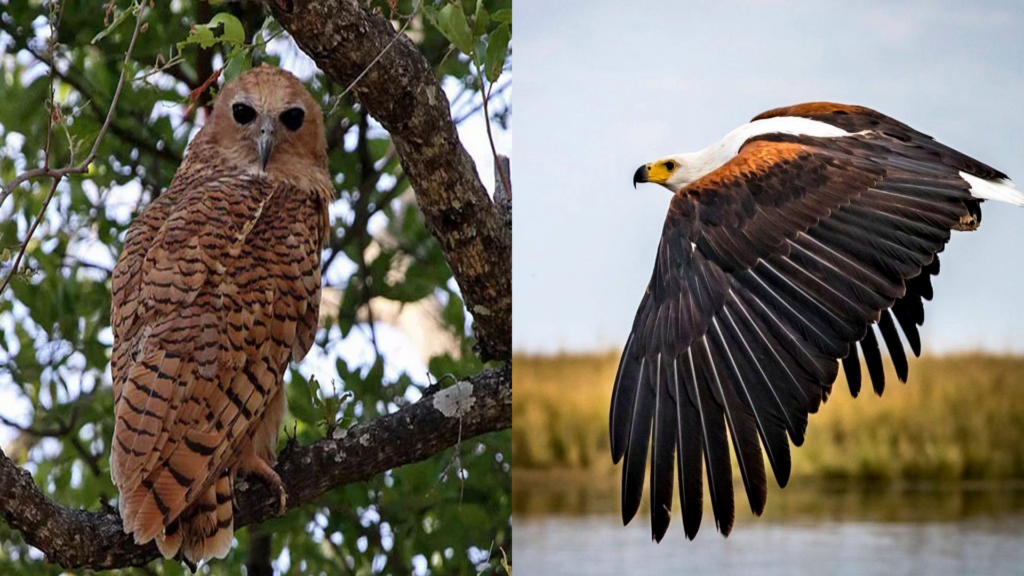
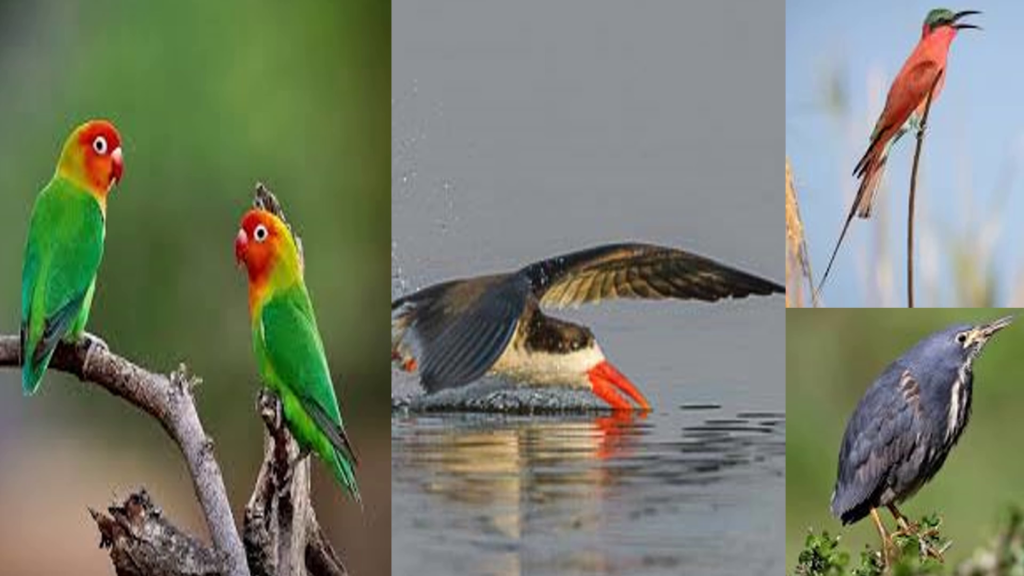
In Mana Pools National Park, you can enjoy exploring elephants, hippos, crocodiles, and a variety of bird species like Pel’s Fishing-owl, Southern Carmine Bee-eater, African Skimmer, Lilian’s Lovebird, African Fish Eagle, Dwarf Bittern.
MATOBO NATIONAL PARK
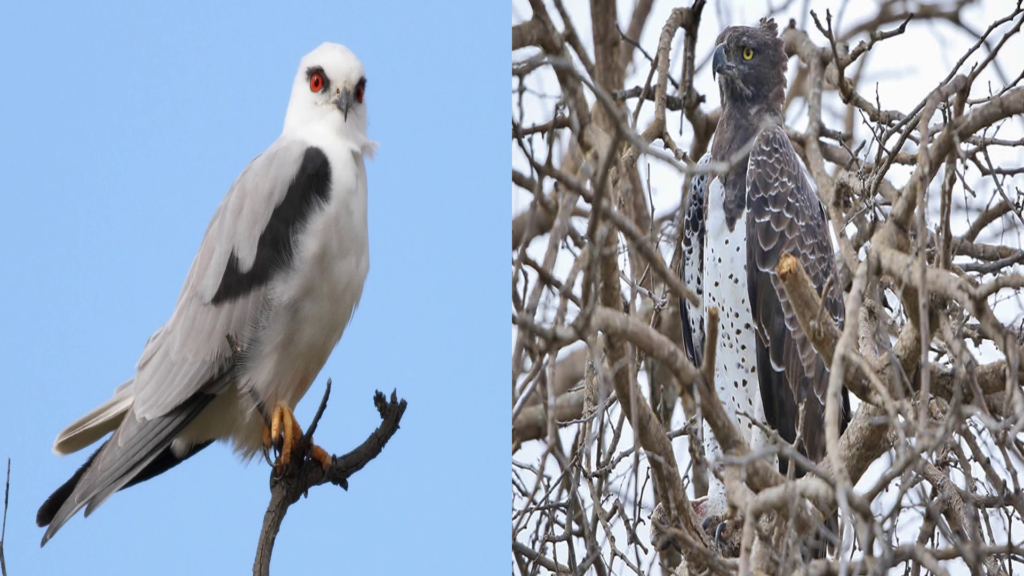
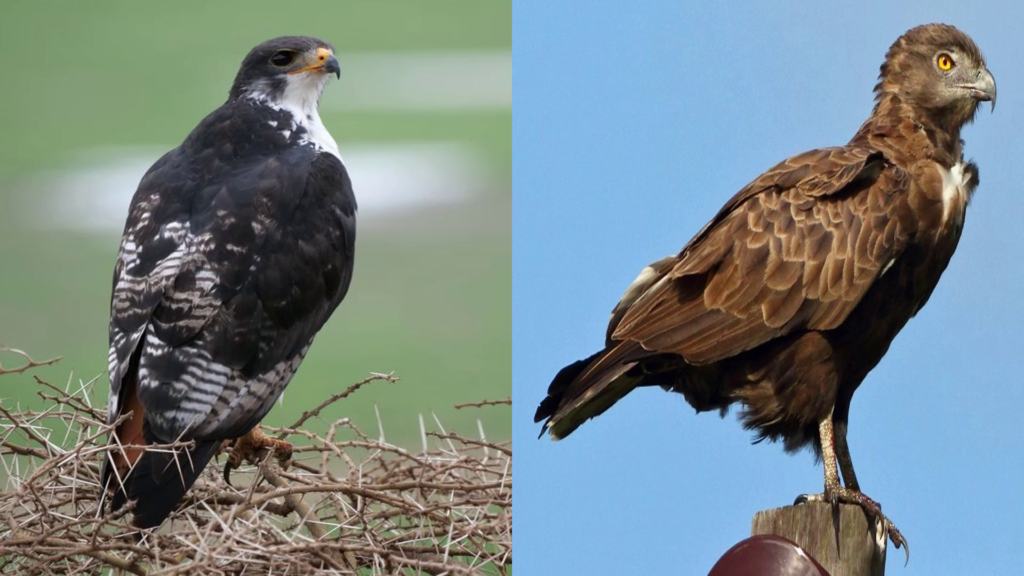
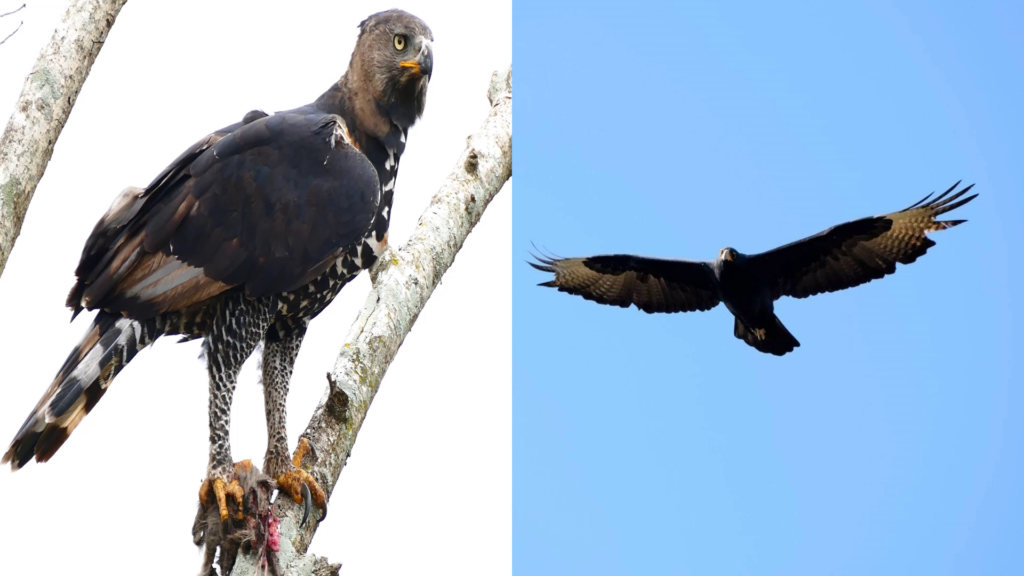
Matobo National Park is home to a population of both white and black rhinos. We also find the bird species here like Black collared barbet, Coqui Francolin, Black shouldered Kite, Augur Buzzard, The Black Eagle, Martial Eagle, Brown snake Eagle and the African crowned Eagle.
CHIZARIRA NATIONAL PARK
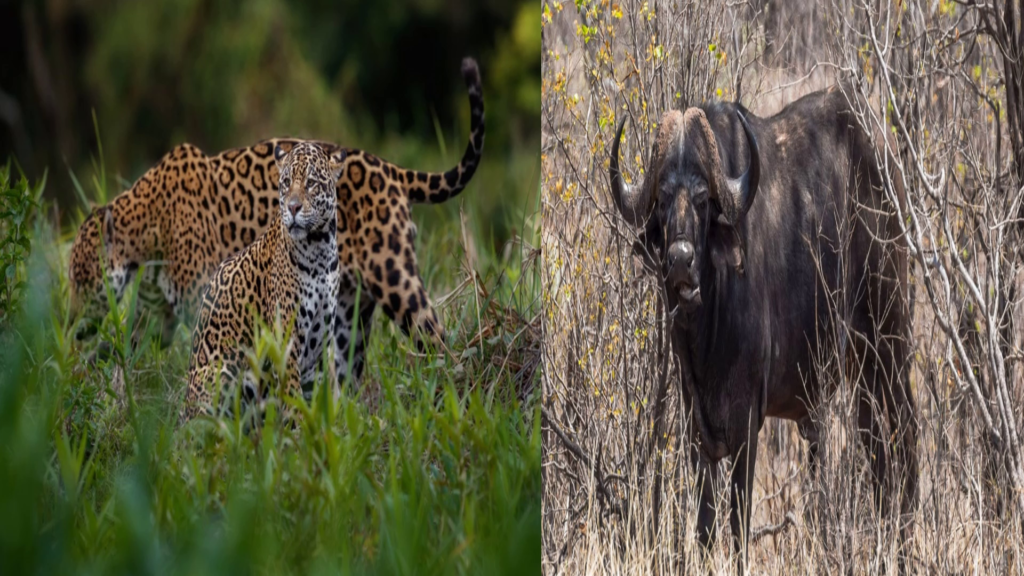
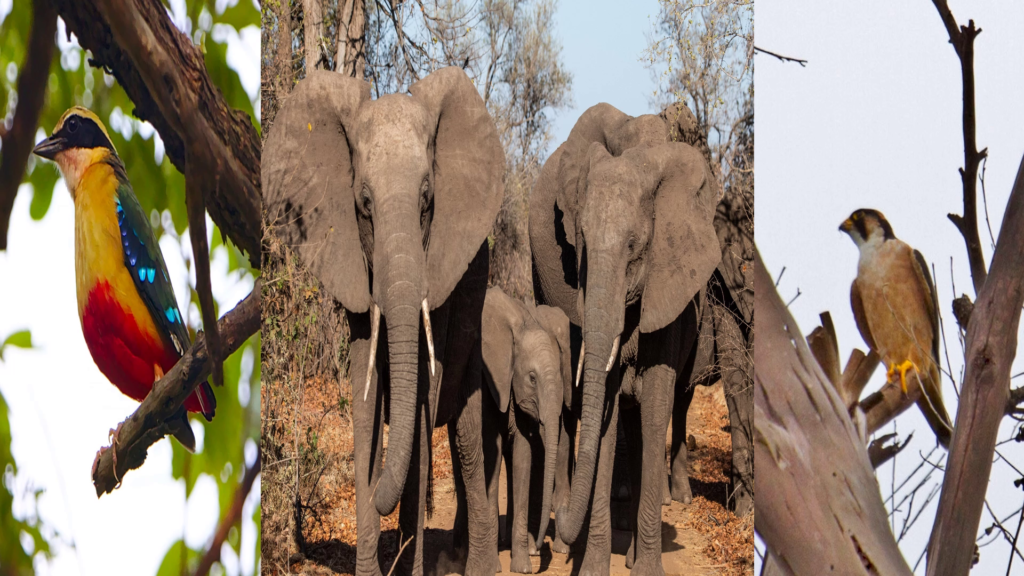
When we talk about Chizarira National Park, it is often considered Zimbabwe’s “Hidden Gem,” because it is a less-visited destination. Here, you can explore buffalo, elephants, leopards, and a variety of bird species including African Pitta and Taita Falcon.
ACCORDING TO THE AUTHOR JAMIL NASIR:
VICTORIA FALLS
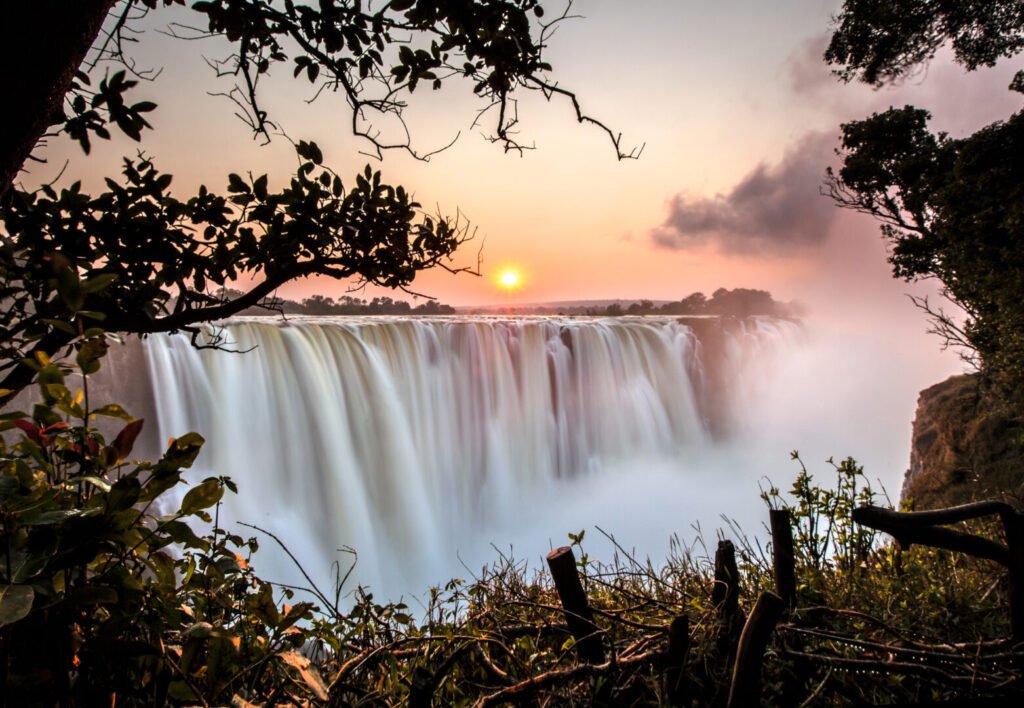
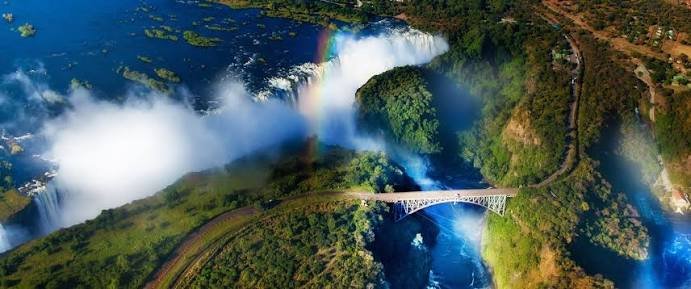
Victoria Falls, one of the most acclaimed natural wonders of the world, sits on the dividing border line between Zimbabwe and Zambia. It is located on the Zambezi river and can be viewed from either the Zambian side (near the city of living stone) or the Zimbabwean side (in Victoria Falls town). It creates the largest sheet of falling water in the world. It is 1,708 meters (5,604 feet) wide and 108 meters (354 feet) high, creating a combined surface area of falling water over 184,000 square meters.
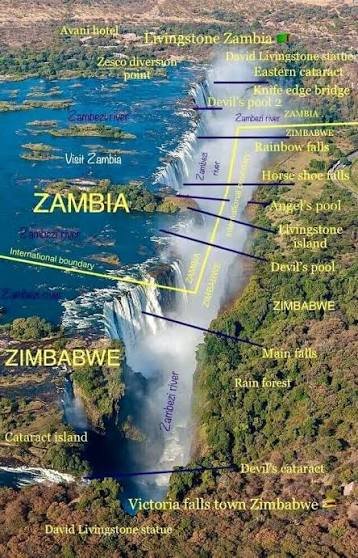
The Victoria Falls National Park is also in this area and is one of the eight main national parks in Zimbabwe. The surrounding Victoria Falls National Park and Mosi-oa-Tunva National Park teeming with diverse wildlife and offer various recreational opportunities. Species of acacia, teak, ivory palm, fig, and ebony are characteristic of the forests, and the alluvial flatlands are dominated by mopane (Colophospermum mopane). Klipspringers (a type of antelope) and hippopotamuses are commonly seen near the falls, and roaming the forests and grasslands are elephants, giraffes, zebras, gnus (wildebeests), lions, and leopards. The rock cliffs are home to falcons, eagles, and buzzards.
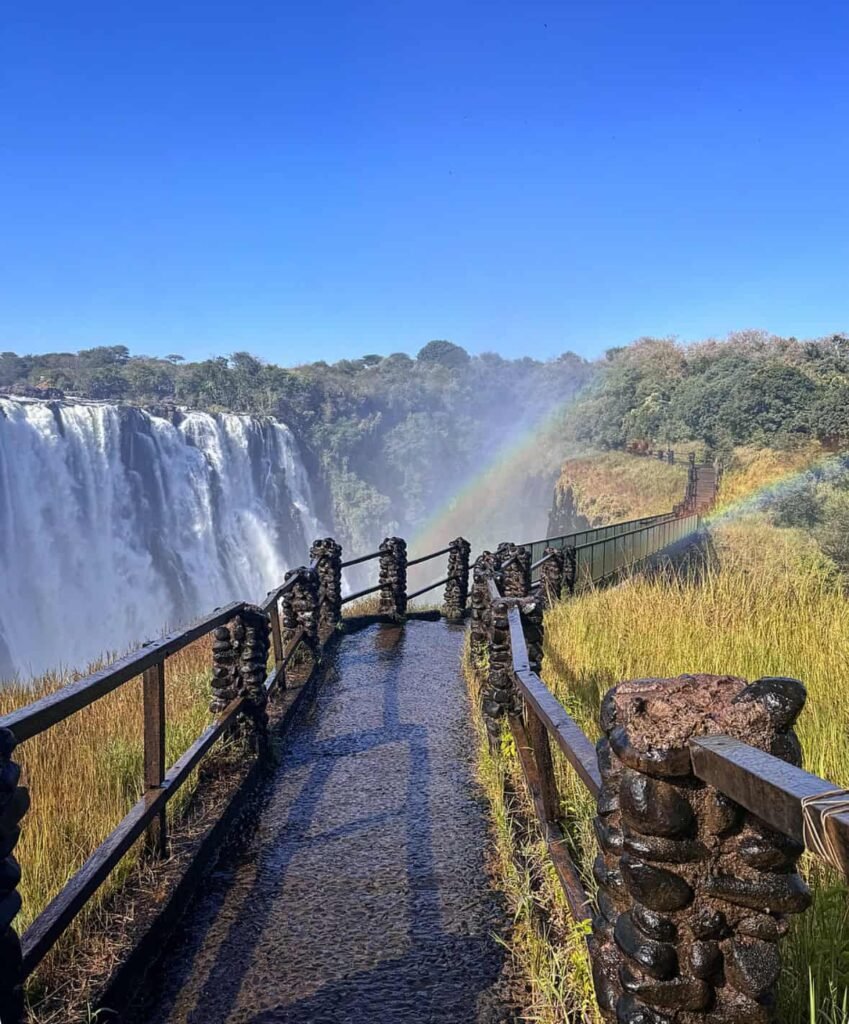
The best time to visit the Victoria Falls is dependent upon your desired experiences. September through November is the busiest dry season to visit if you want to swim in the Devil’s Pool or take walks along the top of the falls. Everything is more visible and the base of the falls is actually visible during the dry season. The dry months between June and August are perfect for those who desire to go for a safari in one of the nearby national parks.
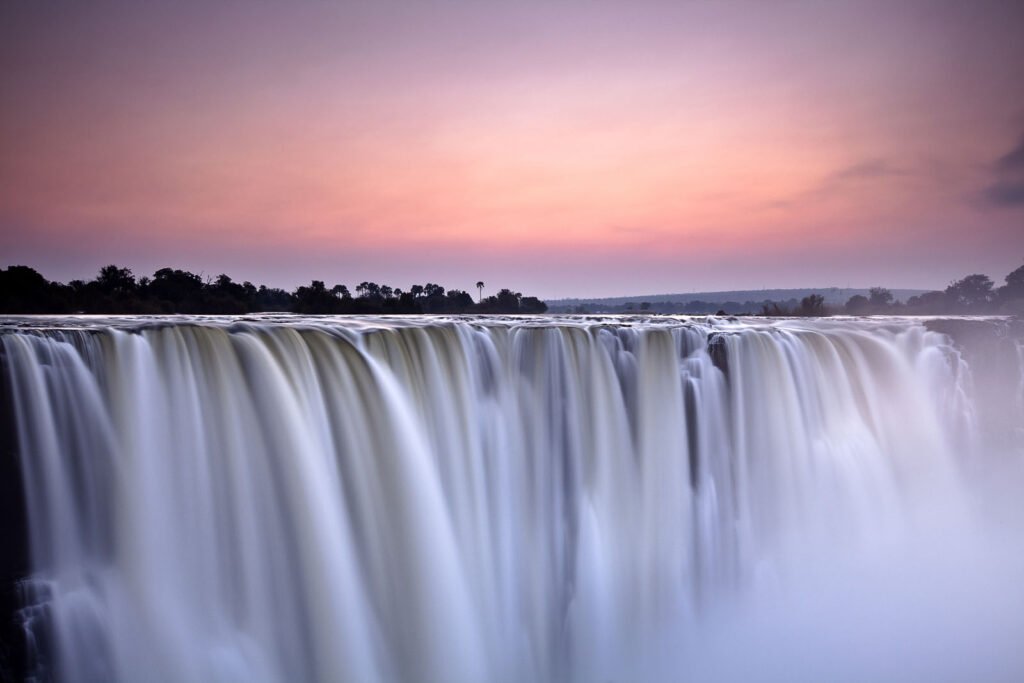
Victoria Falls is also described by the Kololo tribe living in the area as Mosi-oa-Tunya, which means “The Smoke That Thunders”.
LAKE KARIBA
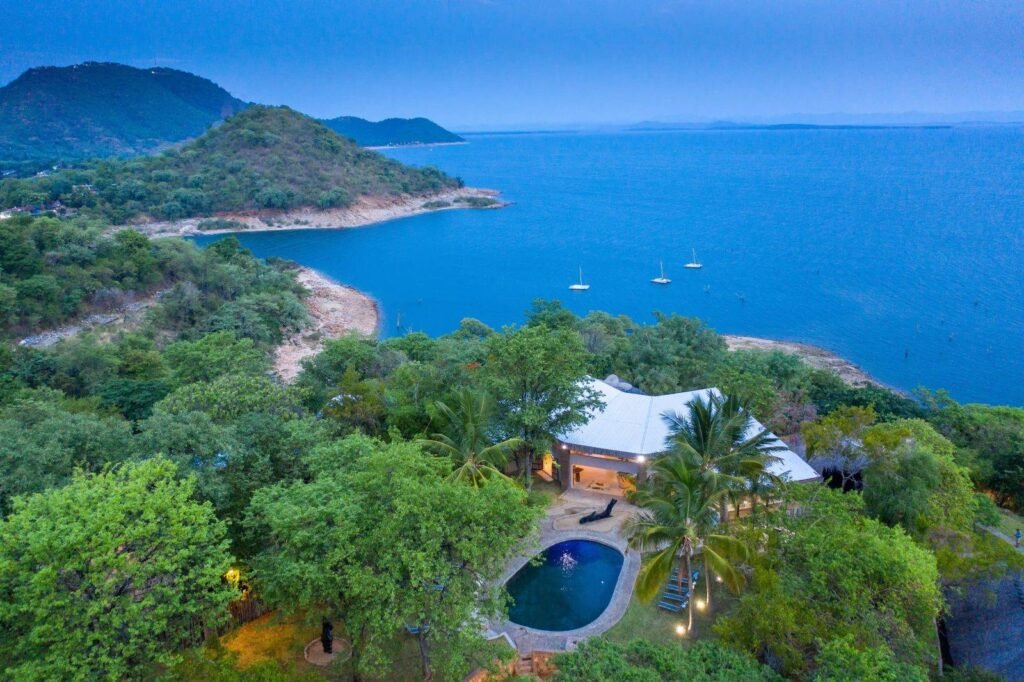
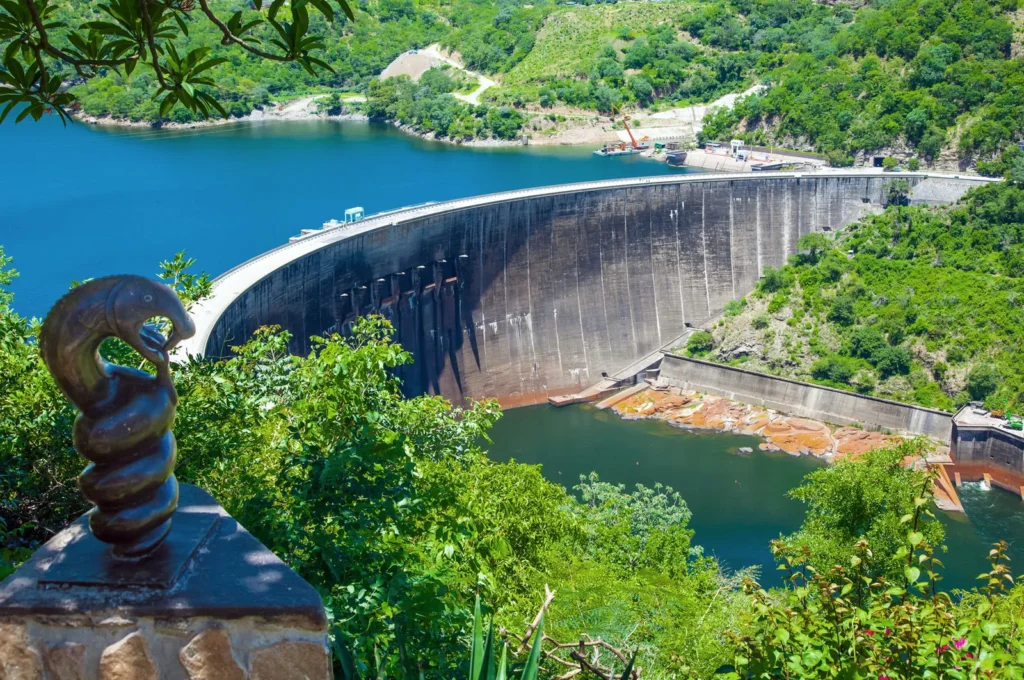
Lake Kariba, the world’s largest artificial lake and reservoir by volume, sits along the shared border of Zambia and Zimbabwe in central Africa. It lies on the Zambezi River, about 1,300 kilometers upstream from the Indian Ocean, formed by the Kariba Dam at its northeastern end. It is about 280 kilometers (175 miles) long and stretches about 40 kilometers (30 miles) wide. It is located roughly 400 kilometers downstream from Victoria Falls.
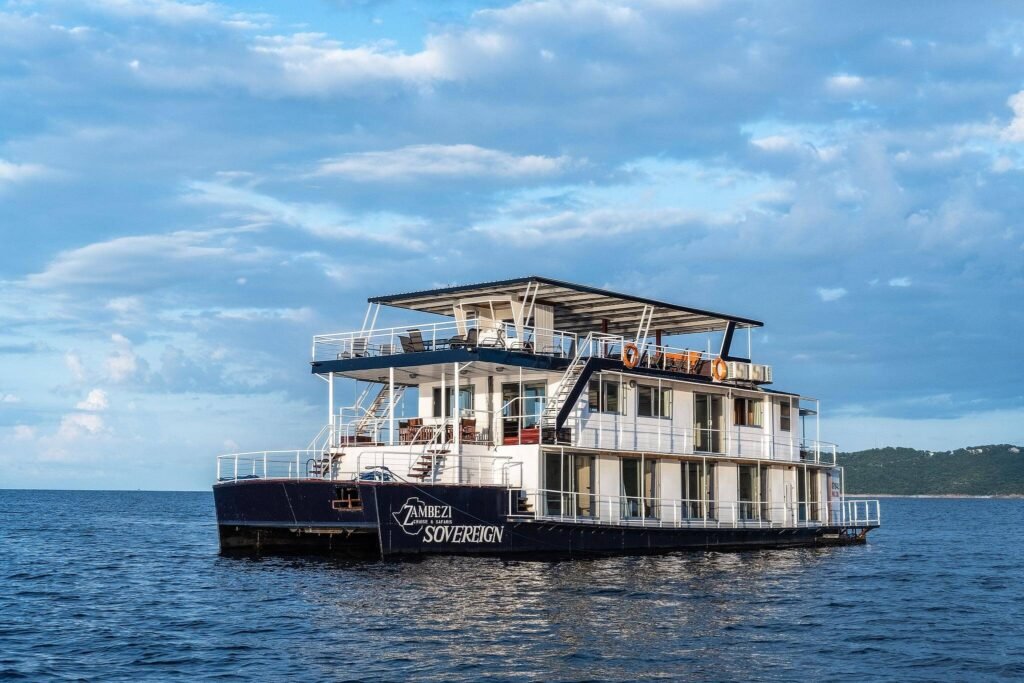
The Lake has several islands and touristic attractions like houseboat cruises, Matusadona National Park, Kariba Dam Wall, Kariba height viewpoints, tiger fishing, sunset boat cruises, and Nyami Nyami statute. Fish eagles, cormorants and other water birds patrol the shorelines, as do large numbers of elephants and other big game species including lion, cheetah, leopard, buffalo and a myriad of smaller plains game species.
However, it is generally not safe to swim in Lake Kariba from unprotected shorelines due to high populations of Nile crocodiles, aggressive hippopotamuses, and the risk of water-borne diseases like bilharzia.
EASTERN HIGHLANDS
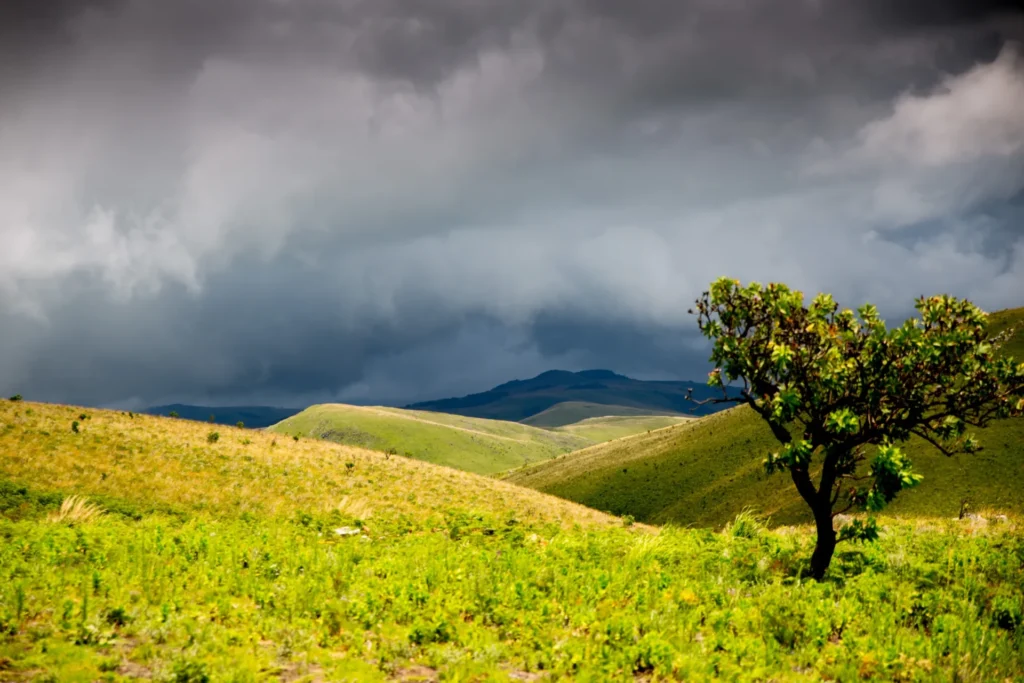
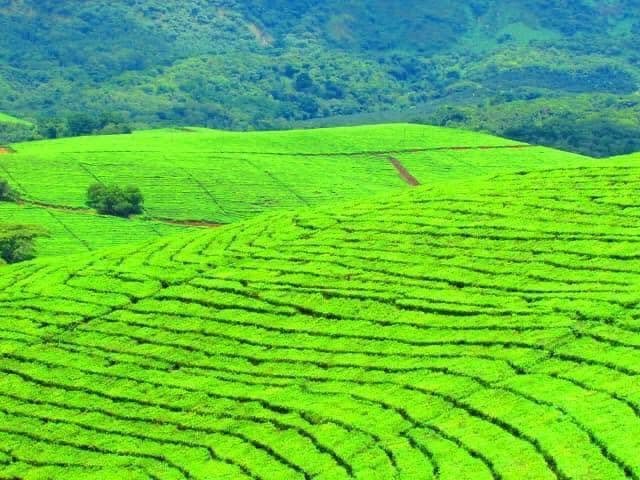
The Eastern Highlands also called the Manica Highlands form a 300-kilometer mountain chain along the border of Zimbabwe and Mozambique. It features cool weather, high peaks, tea estates, coffee farms, and deep valleys. The highlands consist of three main mountain groups – the Nyanga, Bvumba, and Chimanimani mountains – and several smaller ranges. The mountains are mostly sparsely populated, covered in rich grasslands, shrublands, woodlands and forests.
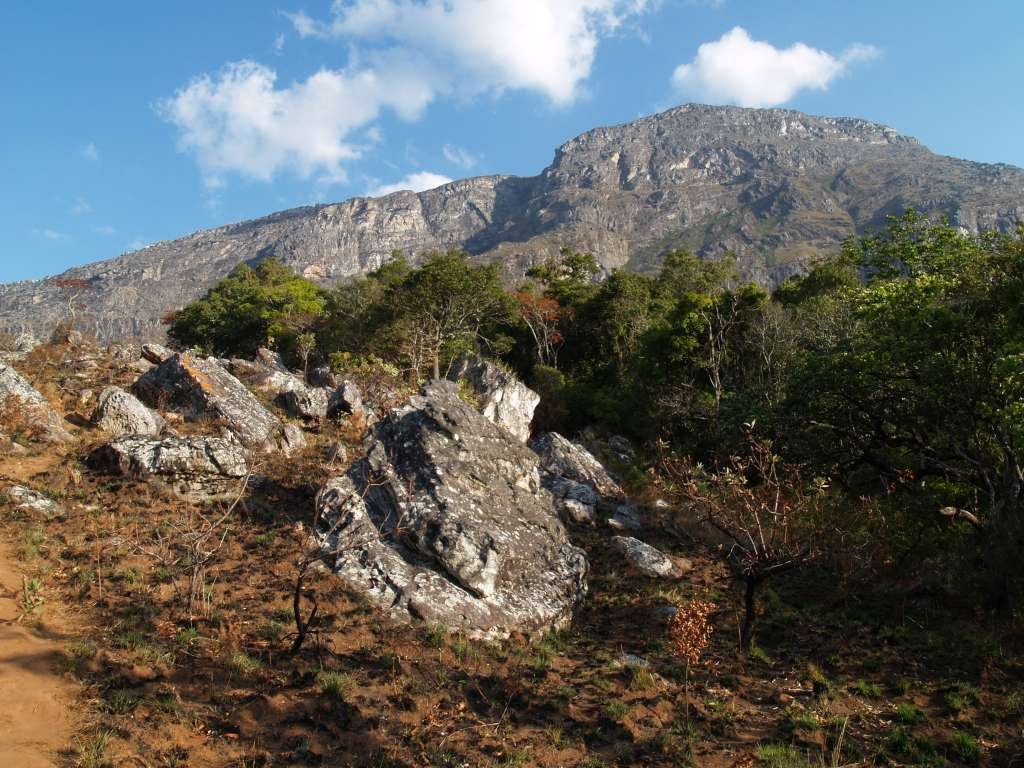
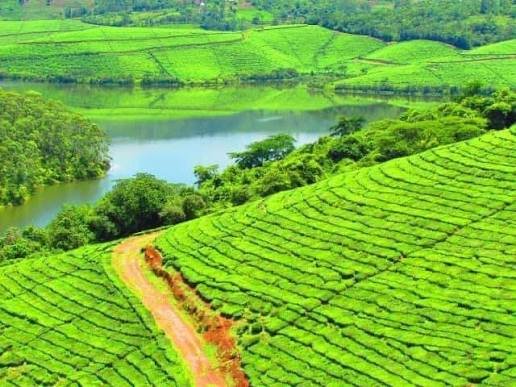
Main tourists’ attractions are Nyanga National Park, Mutarazi Falls, Chimanimani Mountains, Chimanimani National Park, Vumba Mountains, Bvumba Botanical Gardens, Mutare City, Nyanga Trout Fishing Rivers, Mtarazi Skywalk and Zipline, and Honde Valley. To do list may comprise hiking and mountain climbing, trout fishing in fresh streams, bird watching for rare species, and visiting scenic tea and coffee plantations.
CHINHOYI CAVES
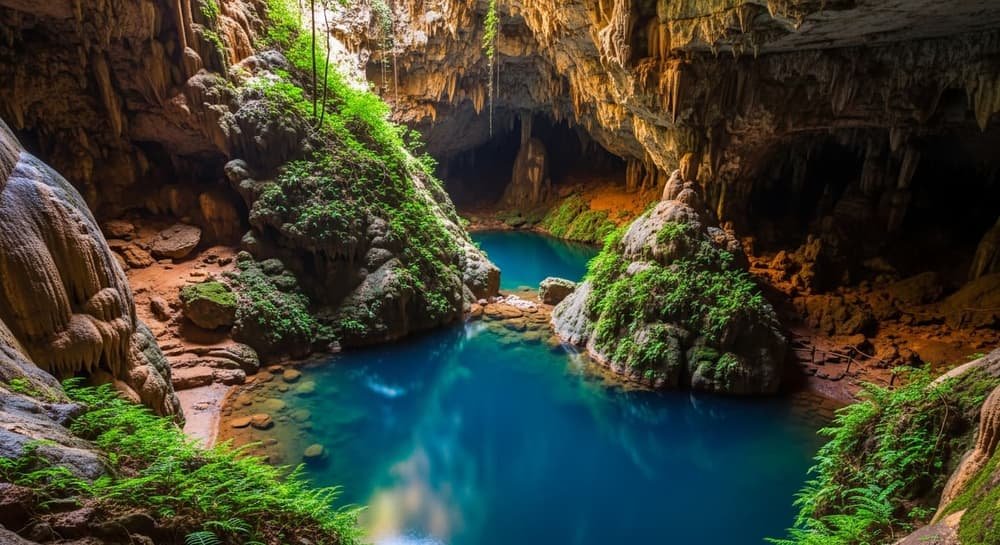
The Chinhoyi Caves, composed of limestone and dolomite, are located in Makonde District, Mashionaland West Province, in north central Zimbabwe. Main cave contains a pool of cobalt blue water, which is popularly called Sleeping Pool or Chirorodziva (“Pool of the Fallen”, local name for the cave’s pool and comes from an incident that occurred in 1830, where members of the Angonni tribe attacked the local people and threw their victims into the cave to dispose of them.)
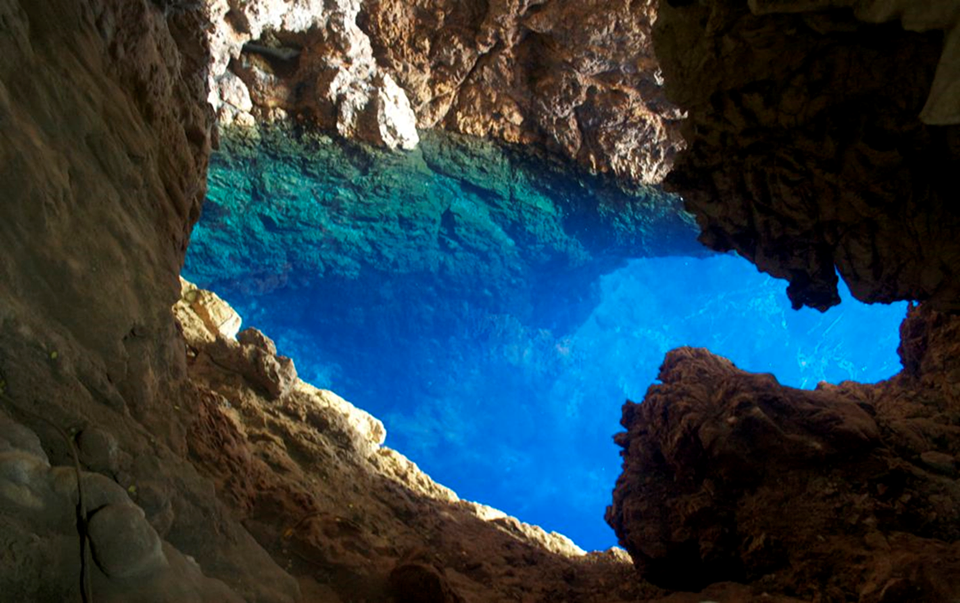
Divers have discovered a submarine passage leading from the Bat Cave, a sub chamber of the Dark Cave to another room known as the Blind Cave. Diving is possible in the caves all year round, with temperatures never beyond the 22 to 24 °C (72 to 75 °F) range with zero thermocline. Visibility is high, and 50 meters (160 feet) and above is not unusual.
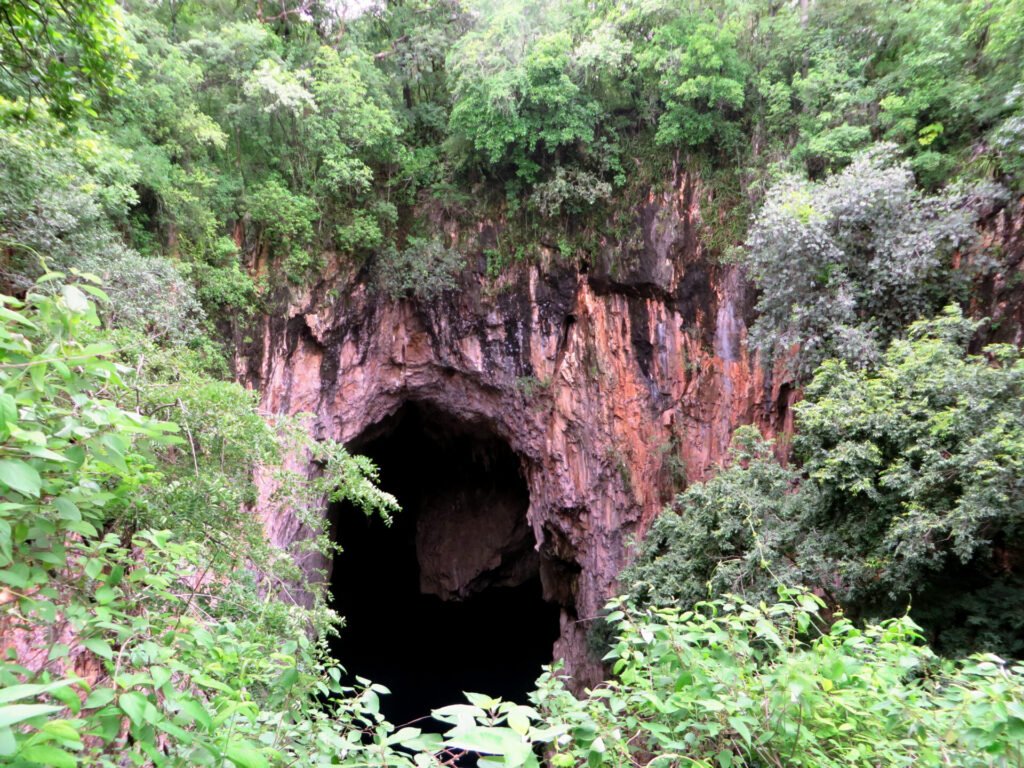
The caves have an important place in African Traditional Religion, with the caves themselves as a site for rain making, surrounded by a sacred forest, from which trees could not be felled.
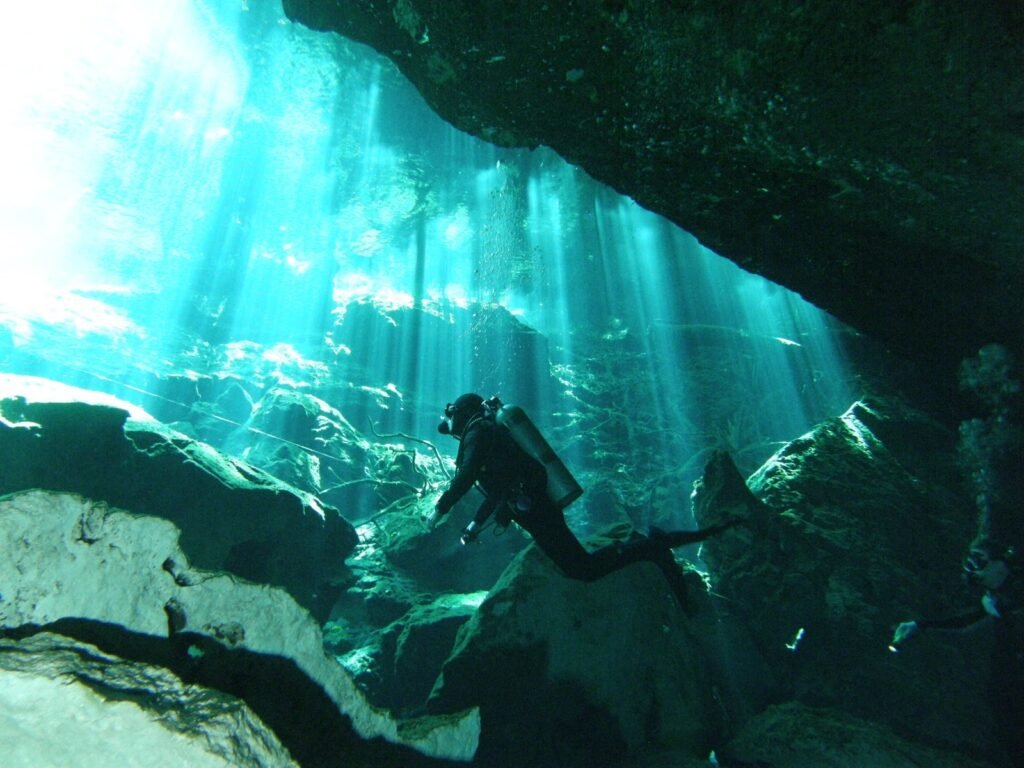
The mystery behind the Chinhoyi Caves in Zimbabwe involves deep underground waters, dark local history, and sacred ancestral legends.
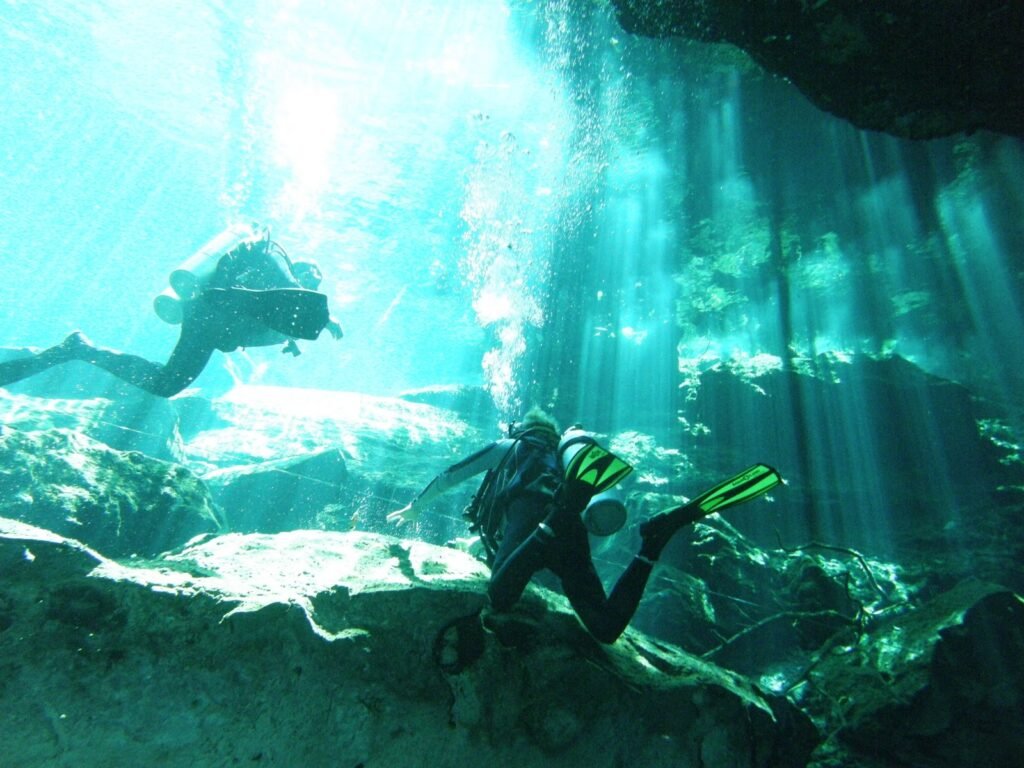
Some myths are popular about Chirorodziva. Legends warn that throwing a stone across the pool will anger the sacred spirits and bring a curse upon the thrower. Similarly, local elders used the site to ask ancestors for rain.
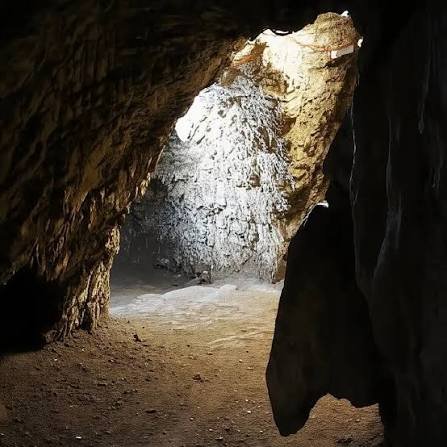
The Wonder Hole, is the main feature of the caves which is in fact a “swallow hole” or a large cavern with a collapsed roof. The walls of the wonder Hole drop vertically down for 150 feet.
KHAMI RUINS
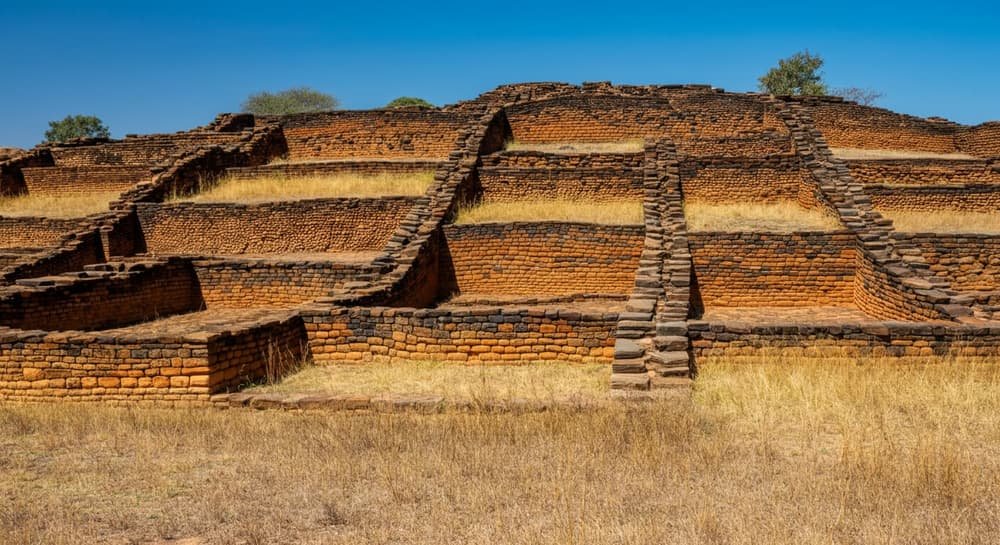
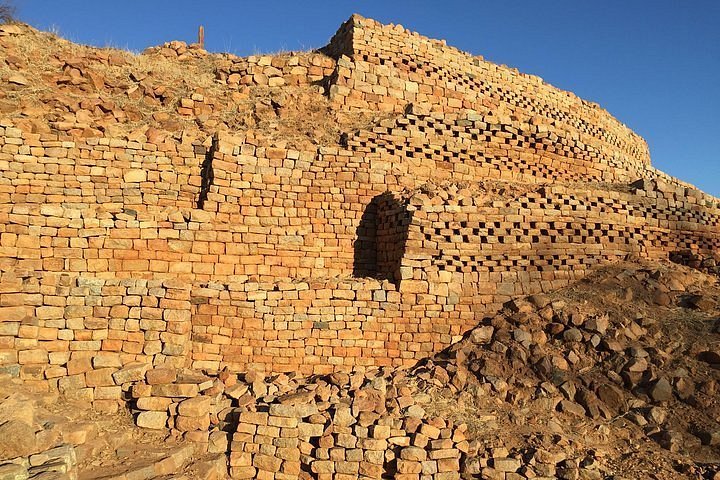
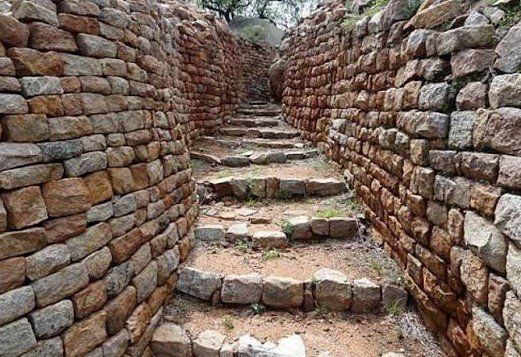
Khami Ruins National Monument is located to the west of the Khami River, 22 kilometers from the City of Bulawayo. The property was the capital of the Torwa dynasty, which arose from the collapse of the Great Zimbabwe Kingdom between 1450 -1650 and was abandoned during the Ndebele incursions of the 19th century. It is composed of a complex series of platforms of dry-stone walled structures, emulating a later development of Stone Age culture. The property, located on a 1300-meter hilltop downstream from a dam built during 1928-1929, covers an area of about 108 hectares, spread over a distance of about 2 km from the Passage Ruin to the North Ruin.
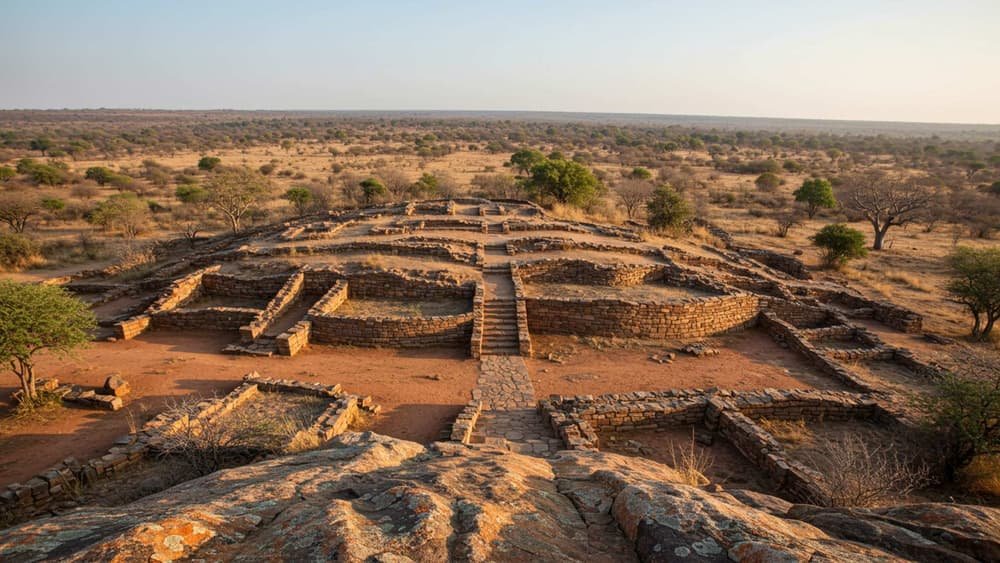
The ruins include a royal enclosure or Hill Complex, which had to be on higher ground than other buildings, stone walls and hut platforms, and also a Christian Cross believed to have been placed by a contemporary missionary. There are also ruins on the eastern side of the Khami River. Other platforms are believed to have been cattle kraals and a retaining wall with a checkered pattern. Recent excavations (2000–2006) have revealed that the walls of the western parts of the Hill Complex were all decorated in checkered, herringbone, cord, as well as variegated stone blocks.
Plan your day by walking the archaeological trails, visiting the onsite museum, and enjoying a quiet riverside picnic.
ACCORDING TO THE AUTHOR FROM ZIMBABWE KUDZI MATOREVHU:
CUISINE
The national dish of Zimbabwe is sadza, loved by people all over.
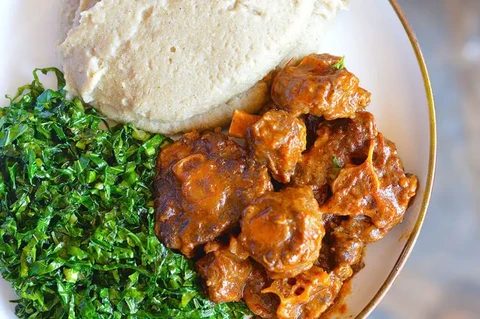
Another famous dish is Muriwo unedovi which is commonly found at many places.

Although these days, people prefer eating chicken with plain rice.
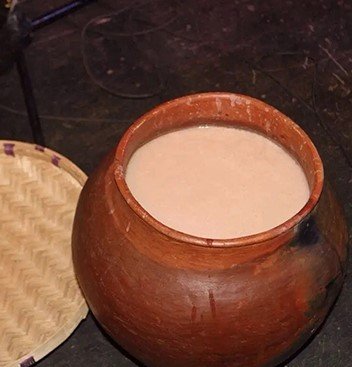
We do have a traditional exclusive drink called Maheu. Which is mostly sweetened.
SPORTS

When we talk about the sports in Zimbabwe, undoubtedly football remains at top, being the most popular sports followed by rugby and cricket.

All in all, it it can be concluded that if you are wild life lover, explorer, photographer or just a common tourist, Zimbabwe is a highly recommended destination for you.
NOTE: We are thankful to the following for the research work.
https://en.wikipedia.org/wiki/African_pitta
https://www.zimfieldguide.com/sites/matabeleland-north/chizarira-national-park
https://www.wonderfulzimbabwe.com/location/chizarira-national-park
https://www.globalgiving.org/projects/elephant-research-in-chizarira-zimbabwe
https://en.wikipedia.org/wiki/Taita_falcon
https://www.safaribookings.com/mana-pools/birds
https://www.birdlifezimbabwe.org/mana-pools-national-park-2
https://www.safaribookings.com/matobo/birds
https://en.wikipedia.org/wiki/Black-shouldered_kite
https://ebird.org/species/brseag1/ZW?continue
https://en.wikipedia.org/wiki/Crowned_eagle
https://hideawaysafrica.com/matobo-hills-black-eagle-paradise
https://www.visitvictoriafalls.org
https://en.wikipedia.org/wiki/Victoria_Falls
https://en.wikipedia.org/wiki/Lake_Kariba
https://www.britannica.com/place/Lake-Kariba
https://www.africaendeavours.com/blog/lake-kariba-zimbabwe
https://en.wikipedia.org/wiki/Eastern_Highlands
https://www.discoverafrica.com/safaris/zimbabwe/zimbabwes-eastern-highlands
https://www.kelbephotography.co.za/blogs/zimbabwe_eastern_hIghlands
https://en.wikipedia.org/wiki/Chinhoyi_Caves
https://en.wikipedia.org/wiki/Khami
https://whc.unesco.org/en/list/365
https://www.thezimbabweguide.com/history/khami-ruins
https://www.britannica.com/place/Victoria-Falls-waterfall-Zambia-Zimbabwe#ref1
https://www.visitvictoriafalls.org
https://www.britannica.com/topic/ebony-wood
https://www.visitvictoriafalls.org
https://www.britannica.com/place/Victoria-Falls-waterfall-Zambia-Zimbabwe#ref1
https://en.wikipedia.org/wiki/Victoria_Falls_National_Park
https://www.britannica.com/place/Victoria-Falls-Zimbabwe
https://theafrikanstore.com/blogs/recipes/zimbabwean-maize-dish-sadza
https://danielsplate.com/muriwo-unedovi-peanut-butter-greens
https://www.britannica.com/place/Victoria-Falls-waterfall-Zambia-Zimbabwe#ref1
https://www.visitvictoriafalls.org
https://www.britannica.com/topic/ebony-wood
https://www.visitvictoriafalls.org
https://www.britannica.com/place/Victoria-Falls-waterfall-Zambia-Zimbabwe#ref1
https://en.wikipedia.org/wiki/Victoria_Falls_National_Park
https://www.britannica.com/place/Victoria-Falls-Zimbabwe
https://en.wikipedia.org/wiki/Eastern_Highlands
https://www.trip.com/things-to-do/detail/106171989
https://visitzimbabwe.com/zimbabwe/cities/chinhoyi-caves
https://www.unicef.org/zimbabwe/stories/textbooks-turn-learning-joy-rural-zimbabwe
https://www.fambayi.com/see/chinhoyi-caves
https://mayariv2010.blogspot.com/2010/11/diving-cenotes-part-ii.html
https://whc.unesco.org/en/list/365
https://www.fambayi.com/see/khami-ruins
https://www.tripadvisor.co.uk/Attractions-g293759-Activities-c57-t68-Zimbabwe.html
Very enlightening article with beautiful pictures. An enjoyable read, indeed.