
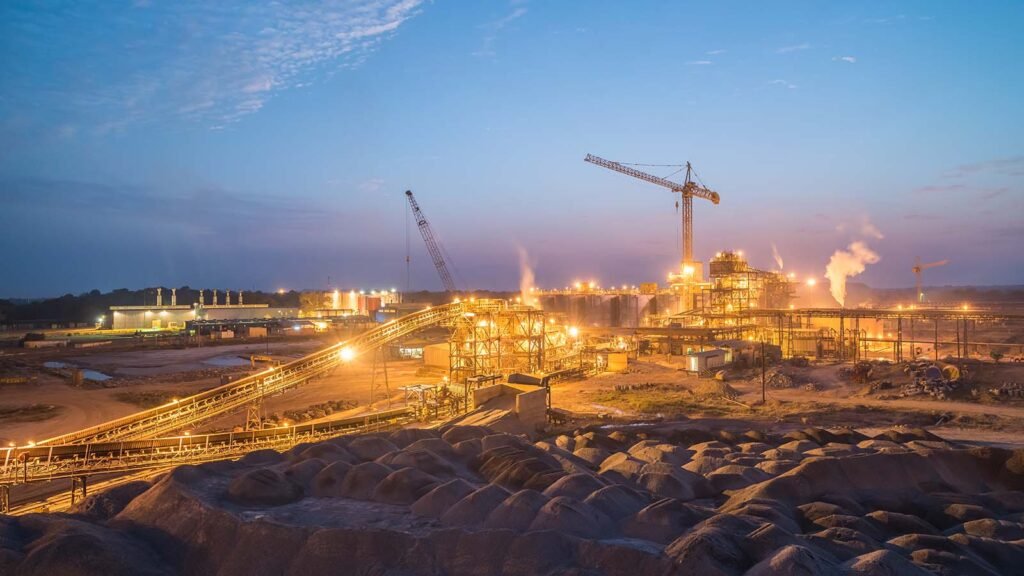
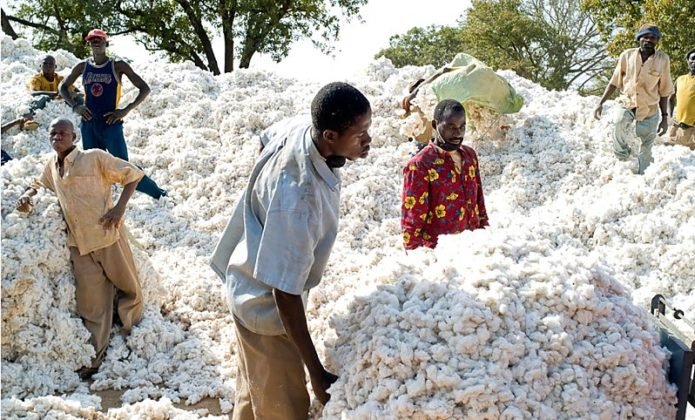
Mali is a beautiful country, famous for its majestic Niger River, gold production and famous mudbrick architecture. Mali lies in West Africa, sharing its borders with Mauritania, Algeria, Niger, Burkina Faso, Côte d’Ivoire, Guinea, and Senegal. Mali is the third largest gold producer in Africa. After gold, their second most famous production is cotton production also known as “White Gold” locally.
The people of Mali are widely known for their rich culture, friendly, and welcoming attitude. Hospitality is a core part of their daily life and cultural tradition. Countless languages are spoken in Mali but Bambara remains the most spoken language followed by French and other local languages.
Today, we are going to discuss four UNESCO World Heritage Sites in Mali.
THE FOUR HERITAGE SITES:
OLD TOWNS OF DJENNÉ
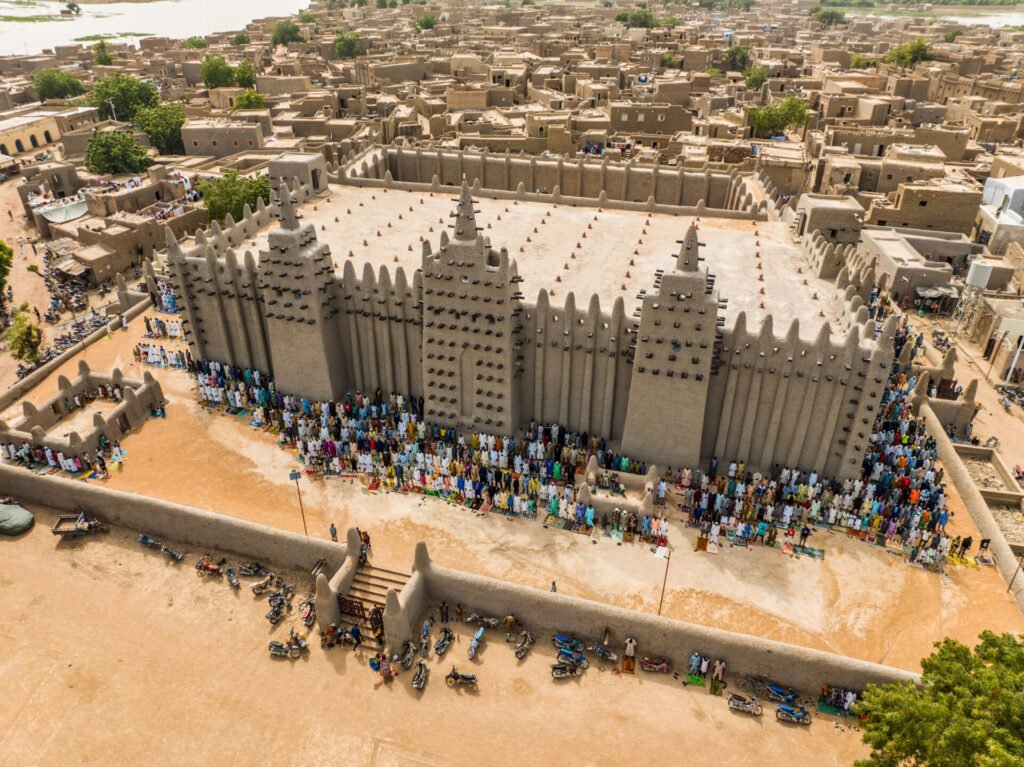
The Old Town of Djenne is a UNESCO World Heritage Site, famous for its traditional Sudano-Sahelian architecture.
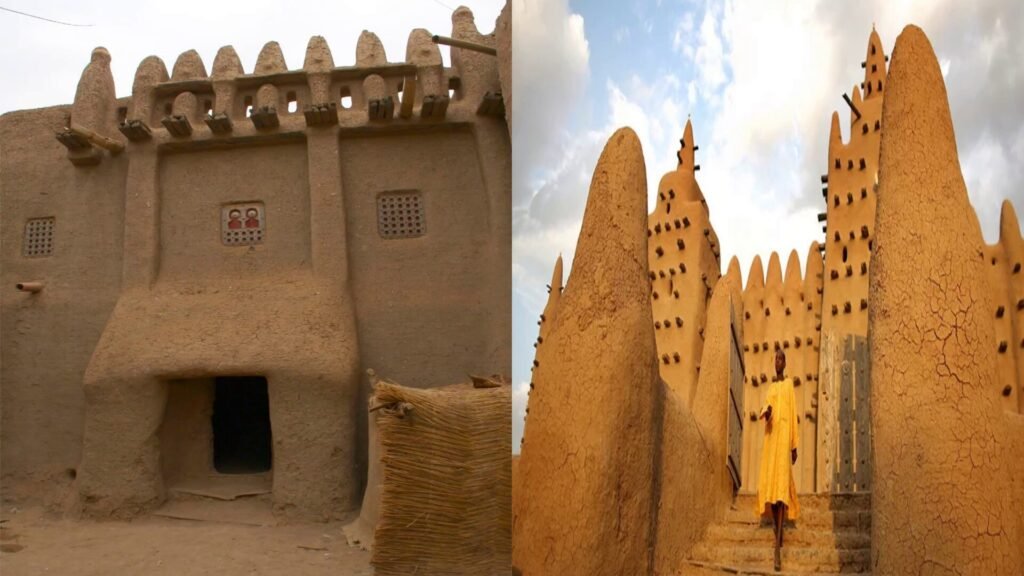
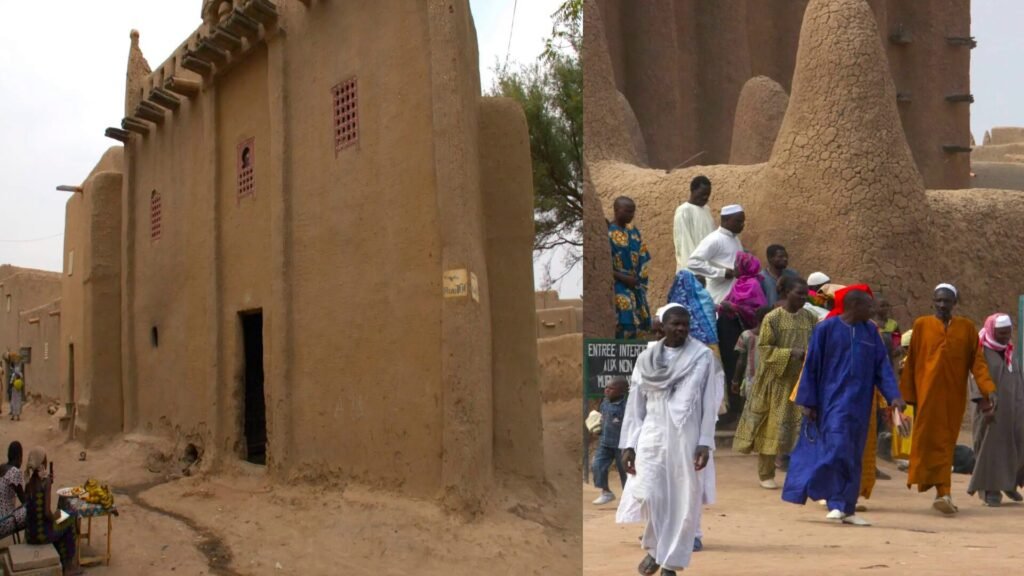
In the past, Djenne was a major trading centre, linked to Timbuktu by the River Niger. It was famous for trading of goods, gold and slaves. The highlighting attraction in the Old Town of Djenne is none other than The Great Mosque of Djenné. This Mosque is considered as one of the largest mud-brick buildings in the world.
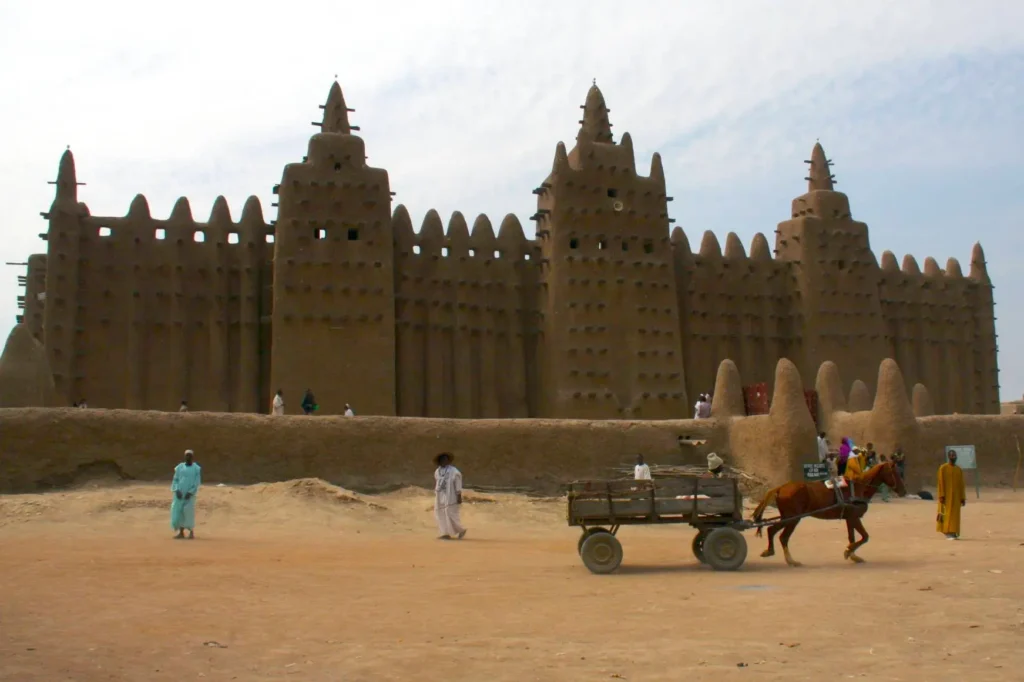
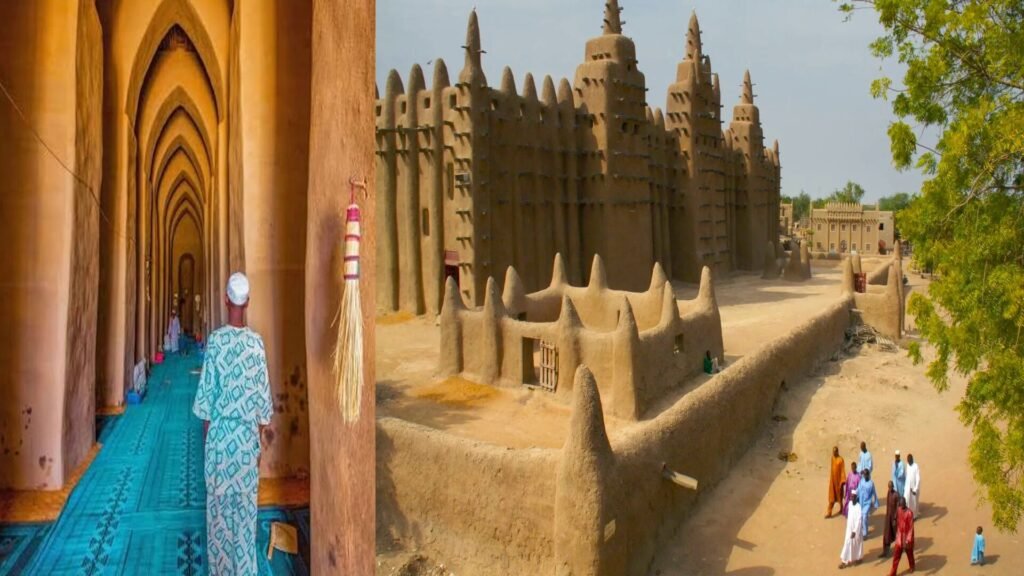
Today, this town is considered as a quiet place having a population around 42,000 where we find two distinctive styles of architecture. The Toucouleur-style and the Moroccan-style.
TIMBUKTU
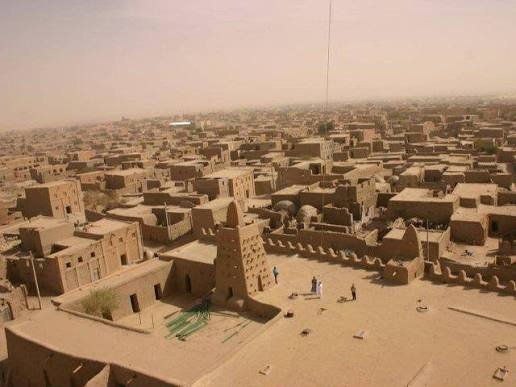
Timbuktu is yet another World Heritage Site in Mali. It is almost 506 kilometers (315 miles) by road from The Old Town of Djenne. It is famous because of its golden age back in 15th and 16th century, when it was a center of extreme wealth, Islamic scholarship, and trans-Saharan trade. There was a time when Timbuktu had 180 religious schools/madrasas with 25,000 students. Including the famous university, the Quranic Sankore University where scholars studied the Holy Quran.
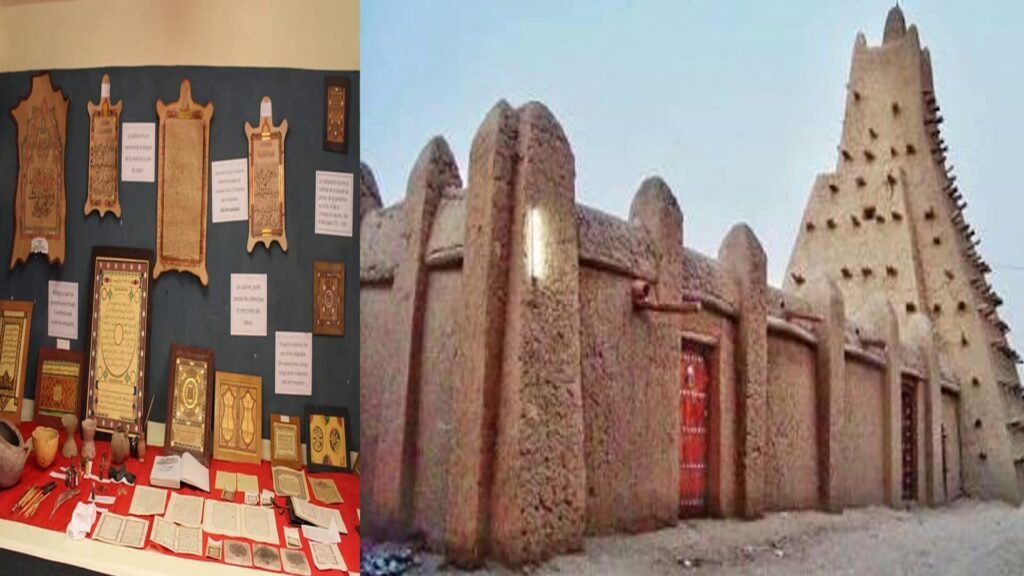
We can witness the glimpses of Golden age of Islam here through these three great Mosques, Djingareyber, Sankore and Sidi Yahia.
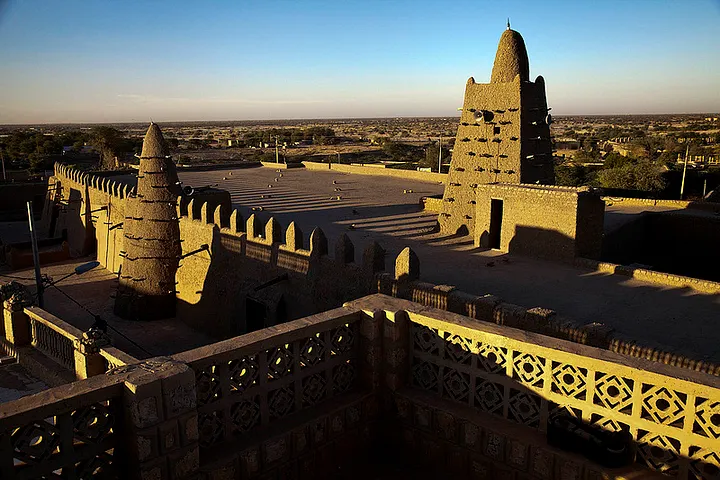
(The Great Mosque of Djingareyber)
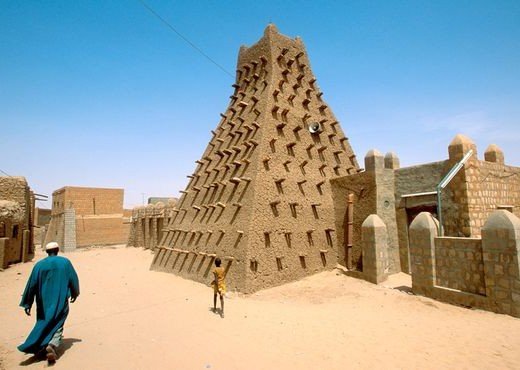
(Sankore Mosque)
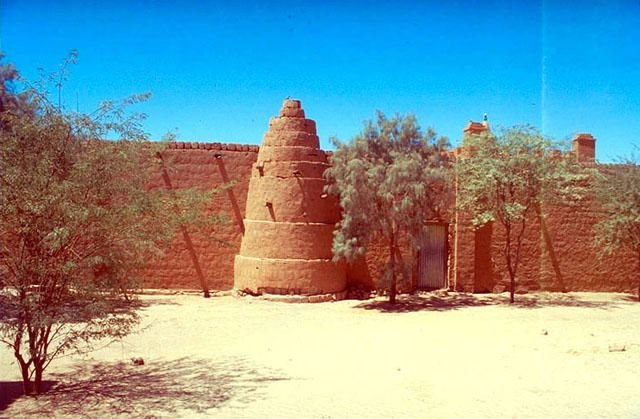
(Sidi Yahia Mosque)
Timbuktu is an eye-catching historical destination for architects, historians and adventurers.
BANDIAGARA CLIFF AND LAND OF THE DOGONS
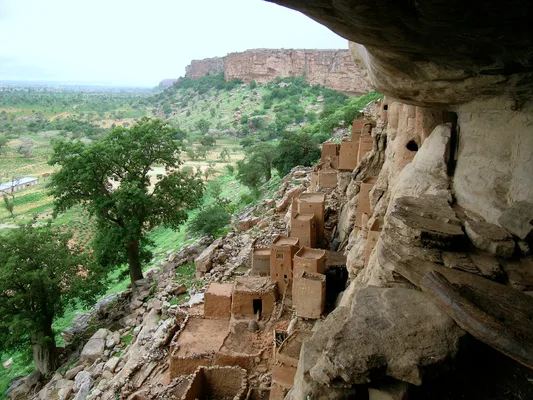
It is yet another UNESCO World Heritage site in Mali; famous for its stunning sandstone cliff landscape and plateau housing, exceptional Djenne-style architecture, ancient dwellings, and sacred traditions of the Dogon people.
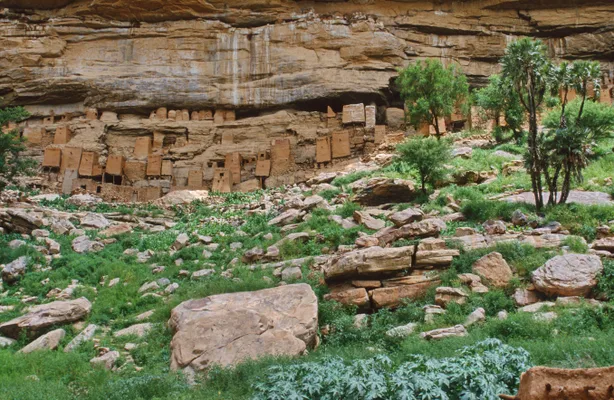
This exclusive site was built as a fortress for the Dogon tribe to protect themselves from invaders and any foreign threat back in 15th century onwards.
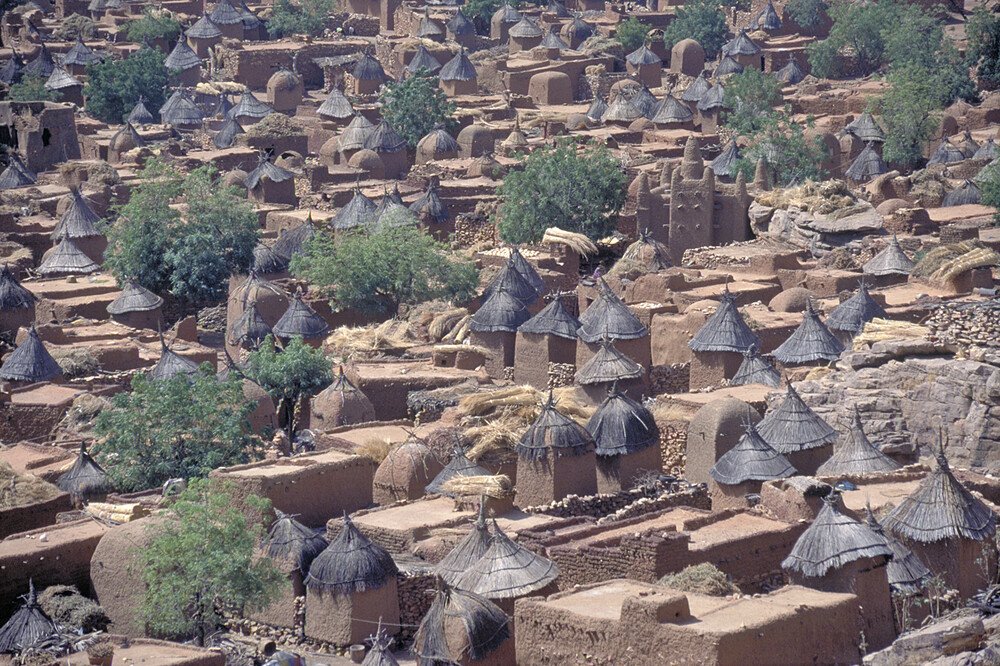
Under the laws of Mali, the Bandiagara Cliff, Land of the Dogons site is under protected status. There are around 289 villages in the region where local people still live. The locals around the region are mostly the Dogon, and have a very close relationship with their environment which can be observed in their sacred rituals and traditions. It’s an exclusive place to be visited at least once as a tourist.
TOMB OF ASKIA
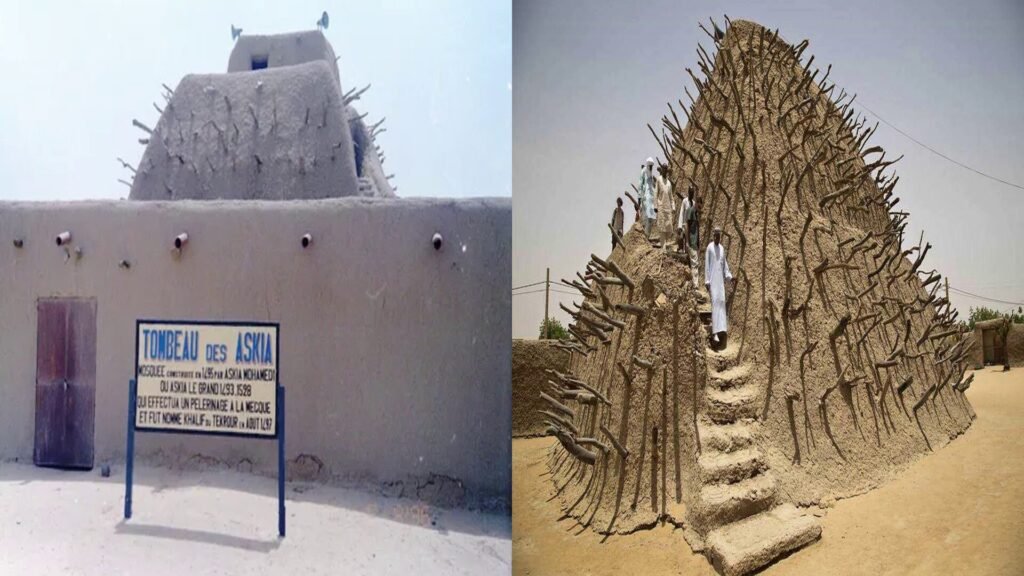
The Tomb of Askia is an exclusive masterpiece representing the golden days of the Songhai Empire. Having a height of 17 meters (almost 56 feet) was built by the Emperor Askia Mohammad I. This site has a Mosque, a cemetery, and a white stone square. It was built by using Mud bricks and mud plaster represents the architectural style of Sudano-Sahelian.
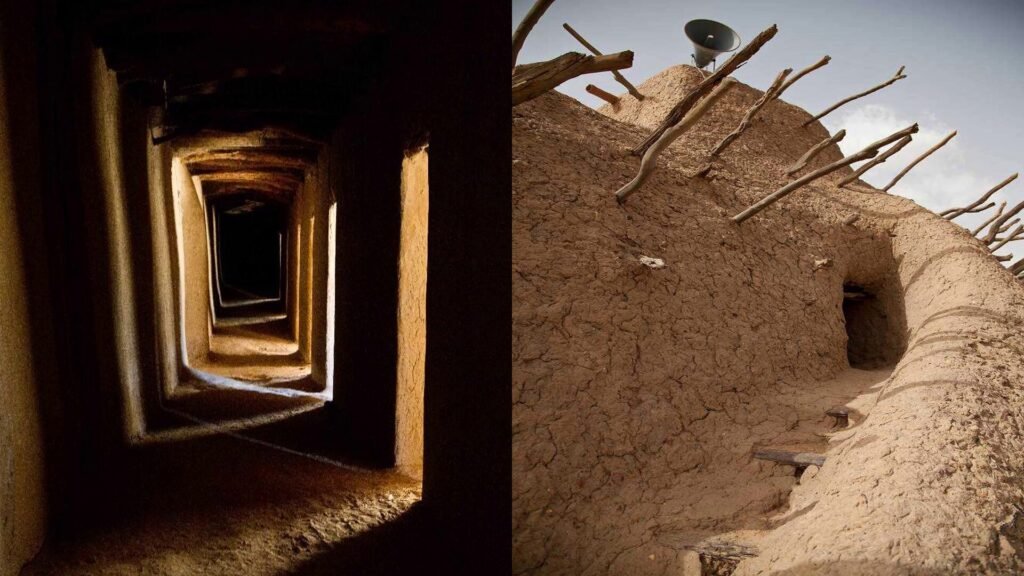
The prayer rooms, cemetery and assembly space are still used today. The Tomb of Askia is fully intact and unspoiled; it belongs to the State who protects it. This exclusive site is listed among the UNESCO World Heritage Sites in Mali.
ACCORDING TO THE NATIVE ABU BAKR N’DIAYE FROM MALI:
OTHER INTERESTING FACTS ABOUT MALI:
FAMOUS FOOD IN MALI:
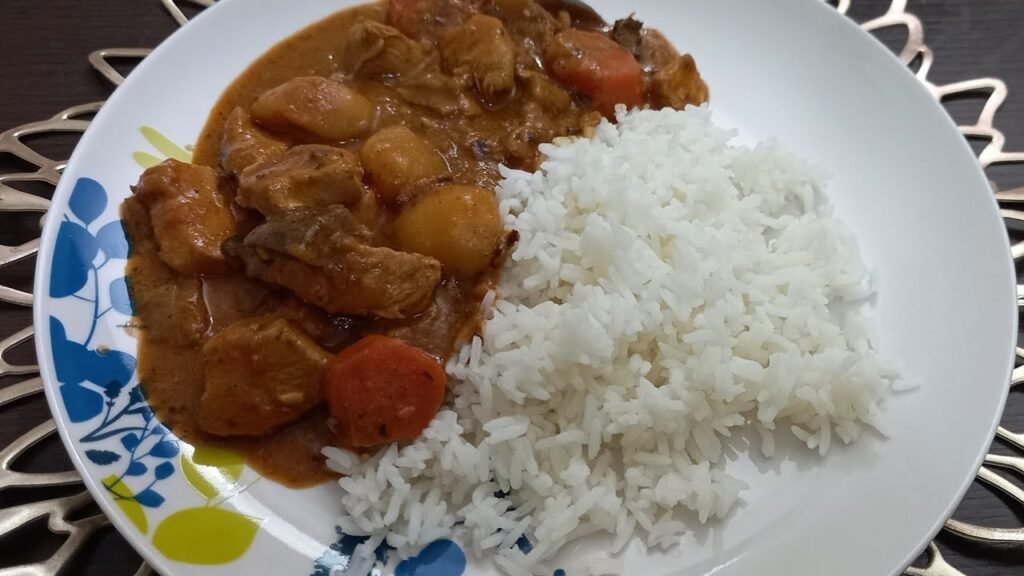
Tiguadege Na is the national dish of Mali, consisting of meat and vegetables simmered in a thick, savory peanut butter and tomato sauce. It is usually served with rice.
A famous sweet dish of Mali is Dégué. Dégué is a sweet millet couscous mixed with yogurt or curdled milk, sugar, and spices. The same dessert is famous in Senegal as thiakry.

ATTIRE:
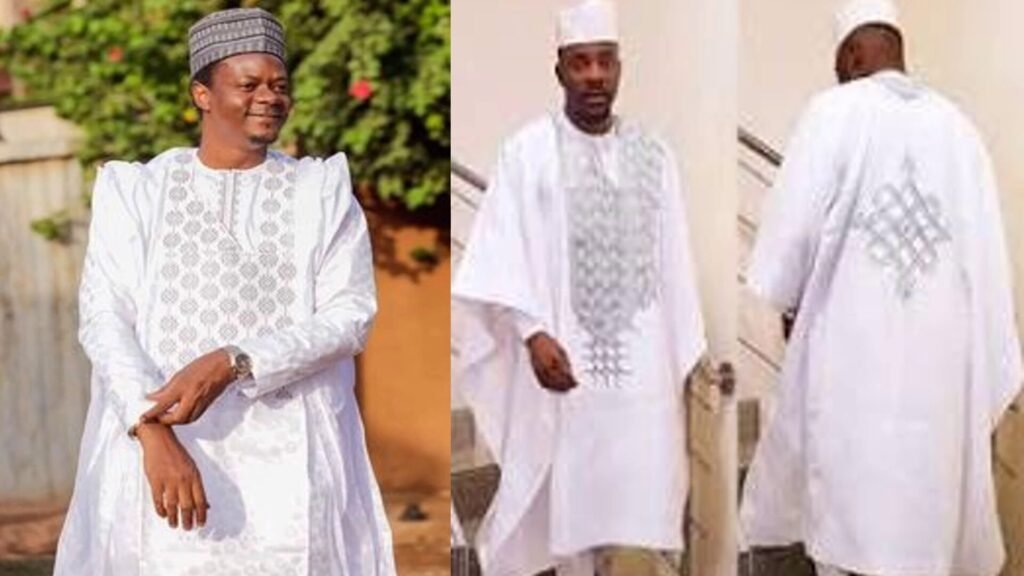
For casual daily wear, men wear Zerebro. Women’s Casual Wear is Pagne followed by simple matching tops and head scarfs to avoid direct exposure to heat and sunlight.
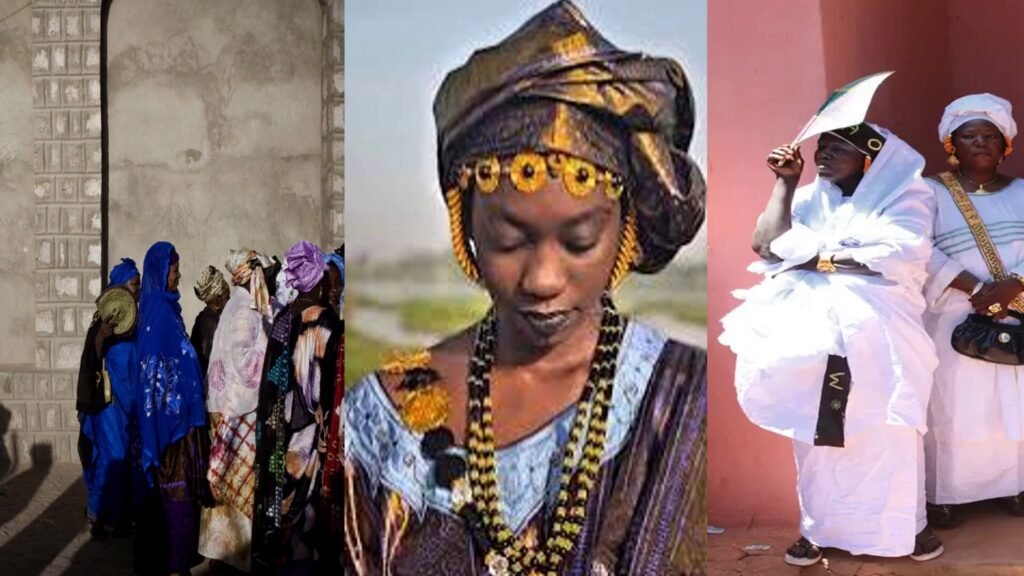
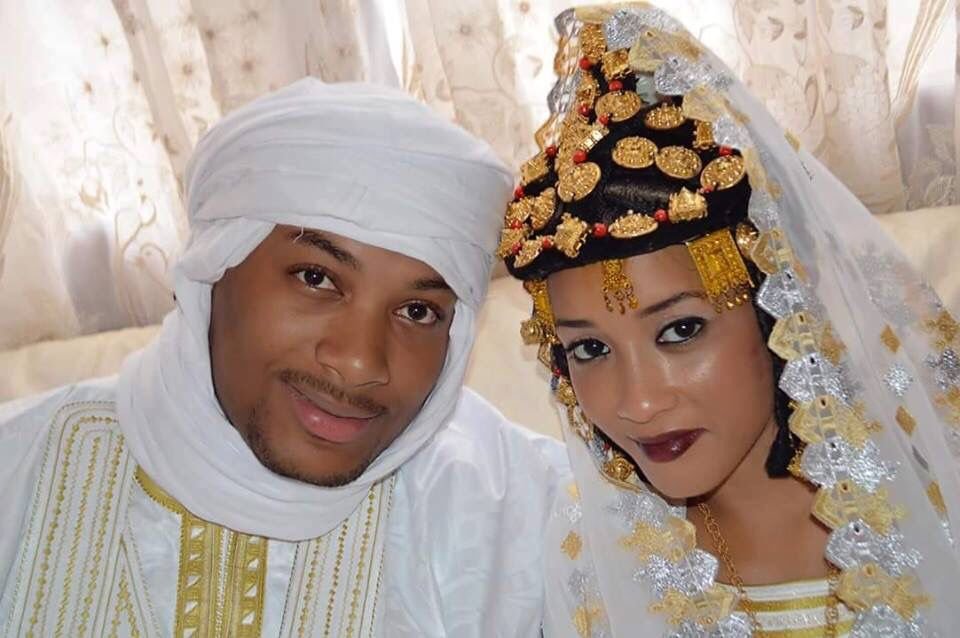
For weddings and other festivals, men wear Bazin, Bongolan and Boubou. While women wear Pagne with heavy jewelry. It is not necessary that it is gold, it can be any jewelry.

SPORTS:

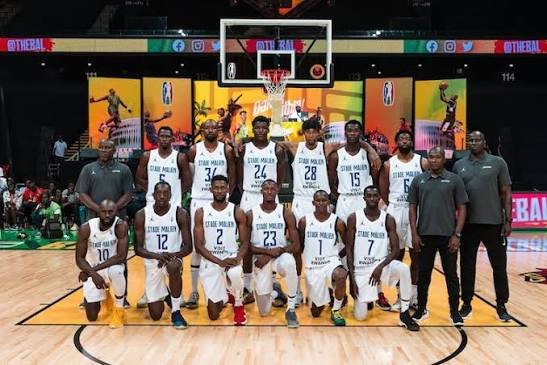
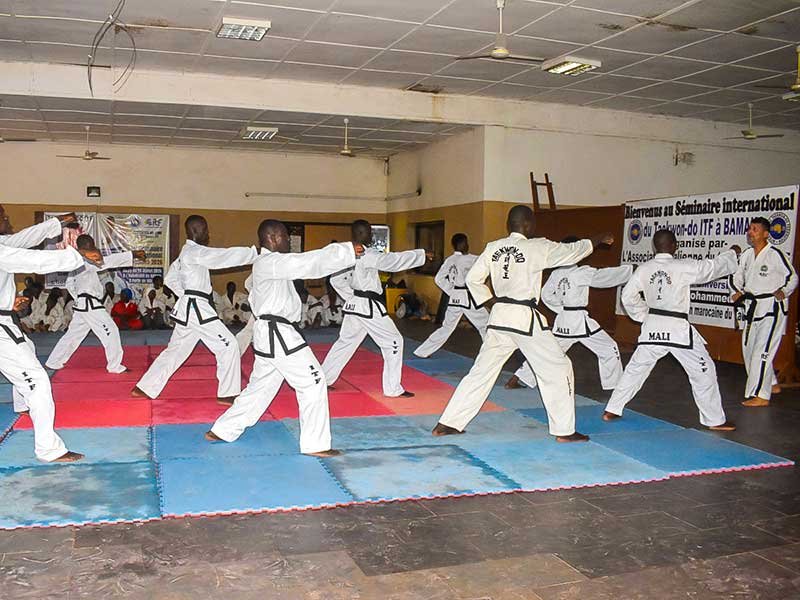
Soccer remains the most favorite sport in Mali followed by basketball, martial art and arm wrestling.
All in all, it can be summed up that Mali has its own exclusivity whether it’s their famous world heritage sites or their cultural aspects. As an explorer, it is highly recommended to visit Mali at least once.
NOTE: We are thankful to the following for the research work.
https://www.france-lait.com/en/my-recipes/mali-degue
https://www.receiteria.com.br/receita/tiguadege-na
https://thebrainchamber.com/tomb-of-askia-gao
https://worldlist.vision/africa/mali/tomb-of-askia.phtml
https://en.people.cn/n/2015/0102/c90782-8830639.html
https://www.atlasobscura.com/places/tomb-of-askia
https://www.atlasobscura.com/places/cliff-dwellings-bandiagara-escarpment
https://medium.com/@elhadjdjitteye/the-golden-age-of-timbuktu-b4daecce33f0
https://www.sciencephoto.com/media/357730/view/sankore-mosque-mihrab
https://en.wikipedia.org/wiki/List_of_World_Heritage_Sites_in_Mali
https://www.archnet.org/sites/1720
https://www.worldatlas.com/articles/unesco-world-heritage-sites-in-mali.html
https://www.unescotracker.net/Countries/ml
https://www.wmf.org/monuments/cultural-heritage-sites-mali
https://whc.unesco.org/en/list/516
https://www.custom-qamis.com/en/blog/presentation-of-the-blog/traditional-dress-of-mali
https://danddclothing.com/blogs/african-fashion-blog/malian-traditional-wedding-styles
https://archive.nytimes.com/lens.blogs.nytimes.com/2014/08/18/women-beyond-the-veil-in-mali
https://tapestry.cyark.org/content/djenne
https://www.worldatlas.com/articles/unesco-world-heritage-sites-in-mali.html
https://notesfromcamelidcountry.net/2013/10/04/djenne-one-of-africas-oldest-cities
https://archiqoo.com/locations/timbuktu.php
Well done 👍🥰
That’s our amazing country and we love it so much 🤍
Thank you for your nice job
You did so well ❤️🩹
Thanks